
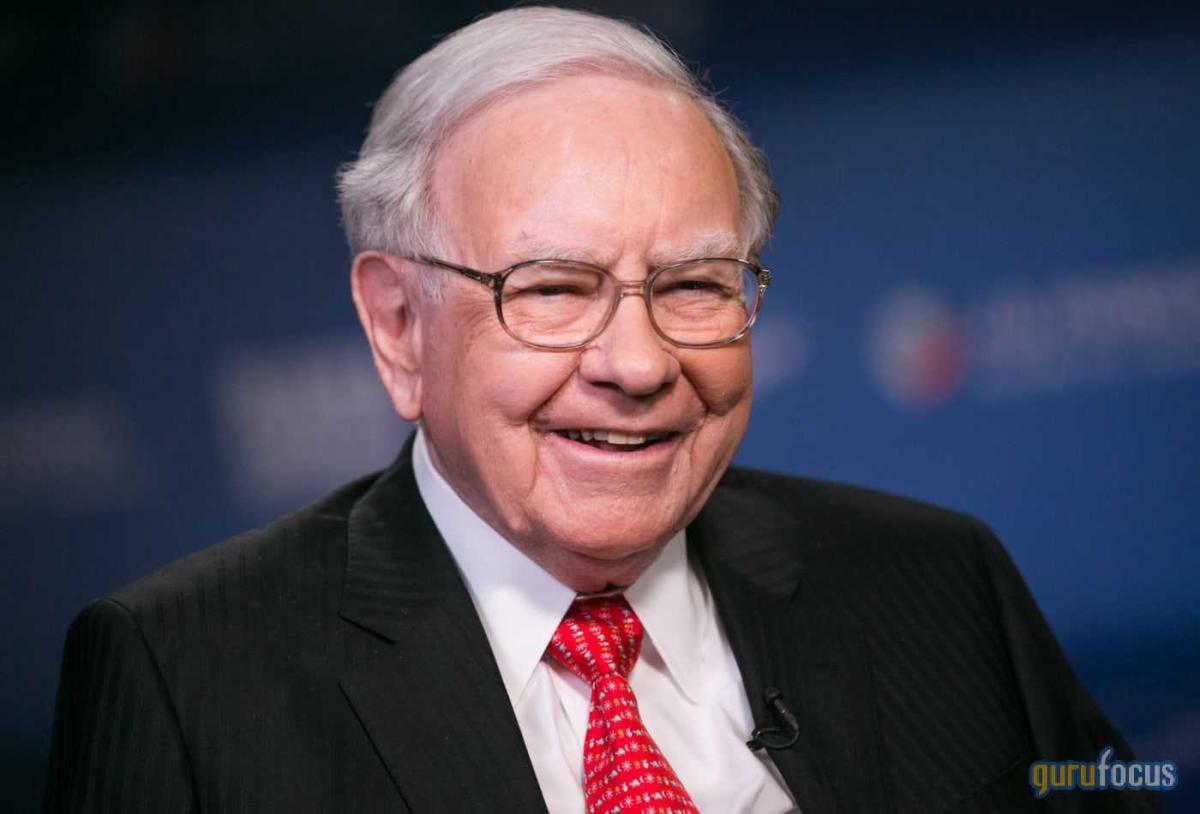
A New Era for Berkshire Hathaway: Greg Abel Takes the Helm as CEO
Berkshire Hathaway, the $870 billion conglomerate led by Warren Buffett for nearly six decades, has officially entered a new chapter with Greg Abel assuming the CEO role effective immediately. The 61-year-old vice chairman, long considered Buffett’s heir apparent, takes charge amid shifting market dynamics and investor expectations. This carefully planned transition marks one of the most significant leadership changes in modern corporate history, with Abel positioned to steer the Omaha-based giant through 21st-century challenges while preserving its core value-investing philosophy.
The Succession Plan Comes to Fruition
Buffett, 93, had meticulously prepared for this moment since 2018 when he elevated Abel and Ajit Jain to vice chairman roles. While Jain oversaw insurance operations, Abel managed Berkshire’s sprawling non-insurance businesses—experience that proved pivotal in his selection. The board unanimously approved Abel’s appointment during a special meeting last week, according to regulatory filings.
“Greg’s operational brilliance and capital allocation discipline make him the ideal leader for Berkshire’s next act,” said Buffett in a prepared statement. “He understands our culture isn’t just about making money—it’s about making money the right way.”
Analysts note the transition arrives at a critical juncture:
- Berkshire’s cash reserves hit record $189 billion in Q2 2024
- Energy and railroad segments contributed 42% of 2023 operating earnings
- The company faces pressure to deploy capital more aggressively
Strategic Shifts on the Horizon
Abel’s promotion signals potential strategic pivots for the traditionally conservative firm. As architect of Berkshire Hathaway Energy’s expansion—growing it from $1.3 billion to $34 billion in assets—he brings hands-on experience with transformative deals. Industry observers anticipate several focus areas:
Technology Investments: While Buffett famously avoided tech stocks until his Apple bet, Abel has quietly built expertise in the sector. Berkshire recently increased its stake in cloud computing leader Snowflake by 18%.
Climate-Conscious Capital: Abel’s energy background suggests accelerated investments in renewables. Berkshire Energy already operates the largest regulated wind generation portfolio in the U.S.
“This isn’t your grandfather’s Berkshire anymore,” noted Columbia Business School professor Donna Hitscherich. “Abel will likely balance tradition with targeted modernization—think gradual evolution rather than revolution.”
Market Reactions and Analyst Perspectives
The investment community has largely applauded the transition. Berkshire’s Class A shares rose 2.3% on the announcement, adding $20 billion in market value. A Bloomberg survey of 25 analysts revealed:
- 72% maintain “Buy” ratings
- Average price target increase of 8%
- Energy and infrastructure stocks seen as primary beneficiaries
However, some value investors express caution. “The real test comes when Abel makes his first major independent acquisition,” argued value fund manager David Katz. “Deviating too far from the Buffett playbook could unsettle long-term shareholders.”
Preserving Culture While Driving Innovation
Abel faces the delicate task of honoring Berkshire’s decentralized management approach while addressing calls for greater transparency. Key challenges include:
Generational Shift: Millennial and Gen Z investors demand ESG alignment and digital transformation—areas where Berkshire traditionally lagged peers.
Succession Planning: At 61, Abel may have a shorter tenure than Buffett, necessitating earlier identification of next-generation leaders.
The new CEO has already implemented subtle changes, including quarterly earnings webcasts and a modest increase in share buybacks. Yet he reaffirmed core principles in his first public remarks: “Our compass remains intrinsic value, margin of safety, and partnership with operating managers.”
The Road Ahead for Berkshire Under Abel’s Leadership
As Abel takes command, all eyes turn to his inaugural moves. Most analysts expect measured steps rather than dramatic overhauls:
- Capital Deployment: With nearly $200 billion needing productive use, acquisitions in infrastructure and energy storage appear likely
- Shareholder Returns: Potential dividend initiation or expanded repurchase program
- Portfolio Pruning: Possible exits from legacy positions like Kraft Heinz
The greatest uncertainty surrounds Abel’s crisis management approach. Unlike Buffett, who guided Berkshire through nine recessions, Abel hasn’t faced severe economic storms as CEO. His handling of the 2020 energy market collapse at Berkshire Hathaway Energy, however, demonstrated operational agility—cutting costs 17% while maintaining service reliability.
“Leadership transitions at iconic firms always involve risk,” observed Wharton professor Michael Useem. “But Abel’s 24-year Berkshire tenure provides unusual continuity. This may be the smoothest trillion-dollar handoff we’ve ever seen.”
For investors tracking this evolution, the coming months will reveal whether Abel can extend Berkshire’s legendary outperformance. As the new CEO prepares for his first annual meeting in spring 2025, one thing seems certain: the Oracle of Omaha’s shadow looms large, but the Abel era has definitively begun.
Want to follow Greg Abel’s first year as CEO? Subscribe to our Berkshire Hathaway leadership transition tracker for quarterly analysis and exclusive insights.
See more Business Focus Insider Team
