
Lessons from Tragedy: How One Survivor’s Experience Changed Aviation Safety Forever
In the world of aviation, safety protocols are paramount, and every incident serves as a grim reminder of the vulnerabilities inherent in air travel. The 1982 DC plane crash is one such tragedy that not only claimed lives but also transformed the landscape of aviation safety. Among the few survivors was a man whose harrowing experience became a catalyst for change in aviation education. His story highlights the essential lessons learned from tragedy and underscores the importance of effective pilot training.
The 1982 DC Plane Crash: A Brief Overview
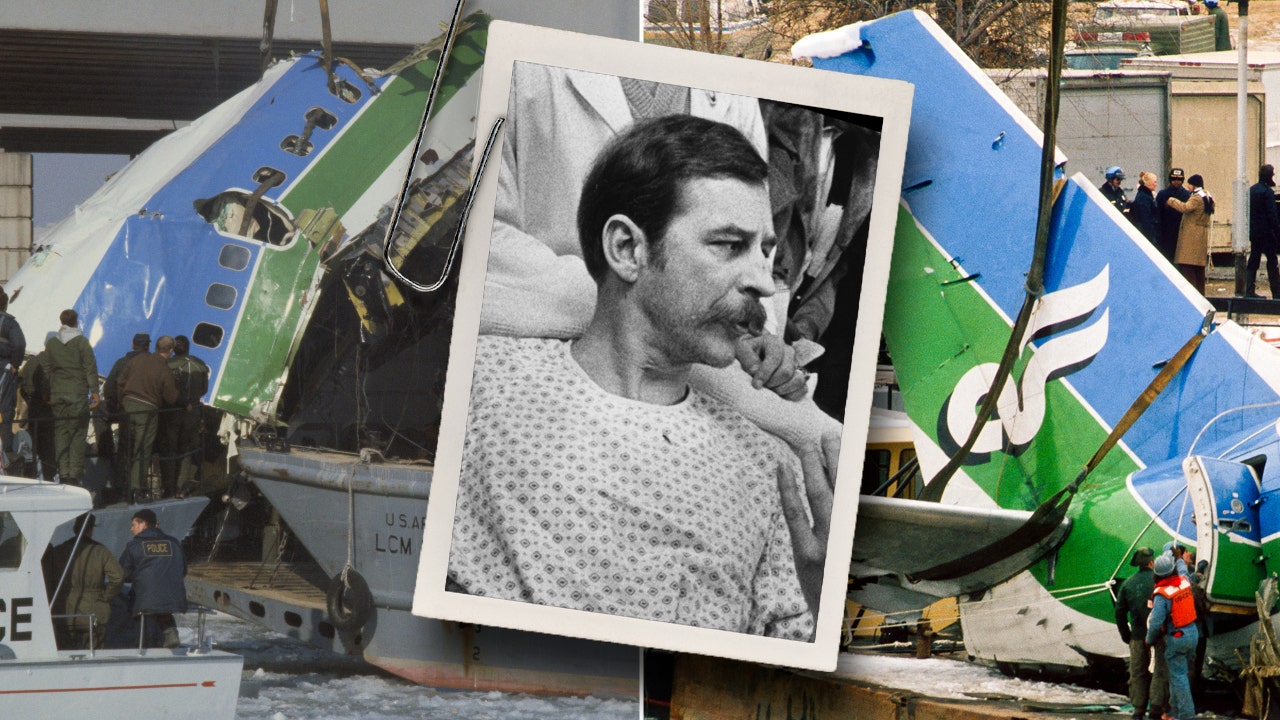
On a fateful day in 1982, a DC-8 aircraft operated by Air Florida crashed shortly after takeoff from Washington National Airport. The plane, laden with passengers and cargo, encountered severe weather conditions, leading to a catastrophic failure. Tragically, 78 people lost their lives, with only a handful of survivors emerging from the wreckage. This incident not only rocked the aviation community but also raised pressing questions about pilot training and emergency preparedness.
A Survivor’s Perspective
Among the survivors was John Mitchell, a flight attendant who had been trained to handle emergencies but never expected to face one so dire. In the aftermath of the crash, John reflected on his experiences, recognizing that his training played a critical role in his survival. “In those moments of chaos, instinct takes over,” he recalled. “But it’s the training that guides your instincts.”
John’s account provides profound insights into the importance of rigorous pilot training. His survival was not just a matter of luck; it was a testament to the effectiveness of the protocols that had been instilled in him during his training. Here are some pivotal lessons drawn from his experience:
Key Lessons Learned from the 1982 DC Plane Crash
- Importance of Scenario-Based Training: John emphasized the significance of scenario-based training, which prepares pilots and crew for a wide range of emergencies. “We practiced everything from engine failures to cabin decompression,” he noted. Such training ensures that, when faced with real-life situations, flight crews can respond swiftly and effectively.
- Communication is Crucial: Clear communication among crew members was a vital aspect of the survival experience. John shared how effective teamwork and communication helped them coordinate their escape and assist other passengers. “We were all focused on the same goal—getting everyone out safely,” he said.
- Understanding Aircraft Systems: A deep understanding of aircraft systems can be the difference between life and death. John recalled how his knowledge of safety equipment and emergency exits allowed him to guide others during the evacuation. “Knowing the aircraft inside and out is essential,” he stated.
- Regular Training Updates: The aviation industry is ever-evolving, and regular updates to training protocols are necessary. John advocated for continuous education, stating, “What we learned in training should be revisited regularly to adapt to new technologies and procedures.”
The Ripple Effect on Aviation Safety Protocols
The tragic events of the 1982 DC plane crash did not go unnoticed by aviation authorities. In the wake of the disaster, regulatory bodies and airlines around the world began to reassess their training programs. Changes were implemented to enhance safety protocols, focusing not only on pilot skills but also on crew resource management (CRM)—a system designed to improve teamwork and communication among flight crews.
One significant outcome was the incorporation of human factors into pilot training curricula. Understanding how human behavior affects decision-making during high-stress situations became a cornerstone of aviation education. As John’s experience demonstrated, the ability to remain calm and communicate effectively in emergencies is as crucial as technical flying skills.
Modern Aviation Training: A Testament to Lessons Learned
Today, aviation training programs reflect the lessons learned from past tragedies. Simulator training has advanced dramatically, allowing pilots to experience realistic scenarios without the risk associated with real flights. These simulators can mimic adverse weather conditions, system failures, and even passenger emergencies, providing pilots with invaluable hands-on experience.
- Enhanced Simulator Training: Modern simulators replicate the complexities of flying with incredible accuracy, allowing pilots to practice emergency procedures repeatedly until they become second nature.
- Focus on CRM: Crew resource management training ensures that all members of a flight crew understand their roles and can work together effectively to handle emergencies.
- Emergency Response Drills: Regularly scheduled emergency response drills keep safety protocols fresh in the minds of all crew members, ensuring that they can act decisively when it matters most.
The Ongoing Impact of Survivor Stories
John Mitchell’s story is just one of many that highlight the transformative power of survivor experiences. These narratives not only serve as poignant reminders of the potential dangers of aviation but also act as catalysts for change. By sharing their experiences, survivors can influence safety regulations and inspire a commitment to continuous improvement in the industry.
As the aviation industry continues to evolve, the lessons learned from tragedies like the 1982 DC plane crash remain relevant. The focus on education, training, and human factors is more critical than ever. Each survivor’s account contributes to a richer understanding of safety and reinforces the notion that we must learn from the past to safeguard the future.
Conclusion: A Legacy of Safety and Preparedness
In conclusion, the 1982 DC plane crash serves as a stark reminder of the importance of aviation safety and the need for comprehensive training for pilots and crew. John Mitchell’s survival and the lessons he imparted highlight the vital role that education plays in preventing future tragedies. As the aviation industry moves forward, embracing the lessons from tragedy will ensure that safety remains at the forefront of air travel, ultimately saving lives and fostering a culture of preparedness.
As travelers, we can take comfort in knowing that each lesson learned from the past is a step towards a safer future in aviation. The commitment to ongoing training, communication, and preparedness is a legacy that honors those who were lost while ensuring that such tragedies are not repeated.
See more Business Focus Insider Team
