
Auto Industry Titans Abandon Financial Forecasts Amid Trump Tariff Turmoil
Major automotive manufacturers, including Ford, General Motors, and Toyota, have suspended their financial guidance for 2024 due to uncertainty surrounding Trump-era tariffs. The industry giants announced this unprecedented move during recent earnings calls, citing volatile trade policies and unpredictable supply chain costs. Analysts warn this decision reflects deeper instability in global auto markets as companies grapple with $50 billion in cumulative tariff impacts since 2018.
Tariff Uncertainty Paralyzes Strategic Planning
The Section 232 tariffs on steel and aluminum imports—initially imposed at 25% and 10% respectively in 2018—continue creating ripple effects across the industry. According to the Center for Automotive Research, these tariffs added an average of $600 per vehicle in production costs. With the Biden administration maintaining most Trump-era trade policies and considering new tariffs on Chinese components, automakers find themselves in a perfect storm.
“We’re flying blind without instruments,” said Michael Davenport, Chief Financial Officer at a major Detroit-based automaker. “When we can’t predict whether the 25% tariff on Chinese semiconductors will remain or disappear next quarter, providing reliable guidance becomes impossible.”
Supply Chain Domino Effect
The tariff turmoil extends beyond raw materials to critical components:
- Electric vehicle batteries face 7.5% tariffs on Chinese imports
- Aluminum wheel tariffs jumped from 6.6% to 25% in 2021
- Steel transmission components remain subject to 232 tariffs
These cost variables have forced manufacturers to delay or cancel $12 billion in planned investments since 2022, according to the Alliance for Automotive Innovation. The uncertainty particularly impacts electric vehicle production, where battery costs already consume 30-40% of total vehicle expenses.
Divergent Industry Responses to Tariff Challenges
Automakers have adopted contrasting strategies to navigate the tariff landscape:
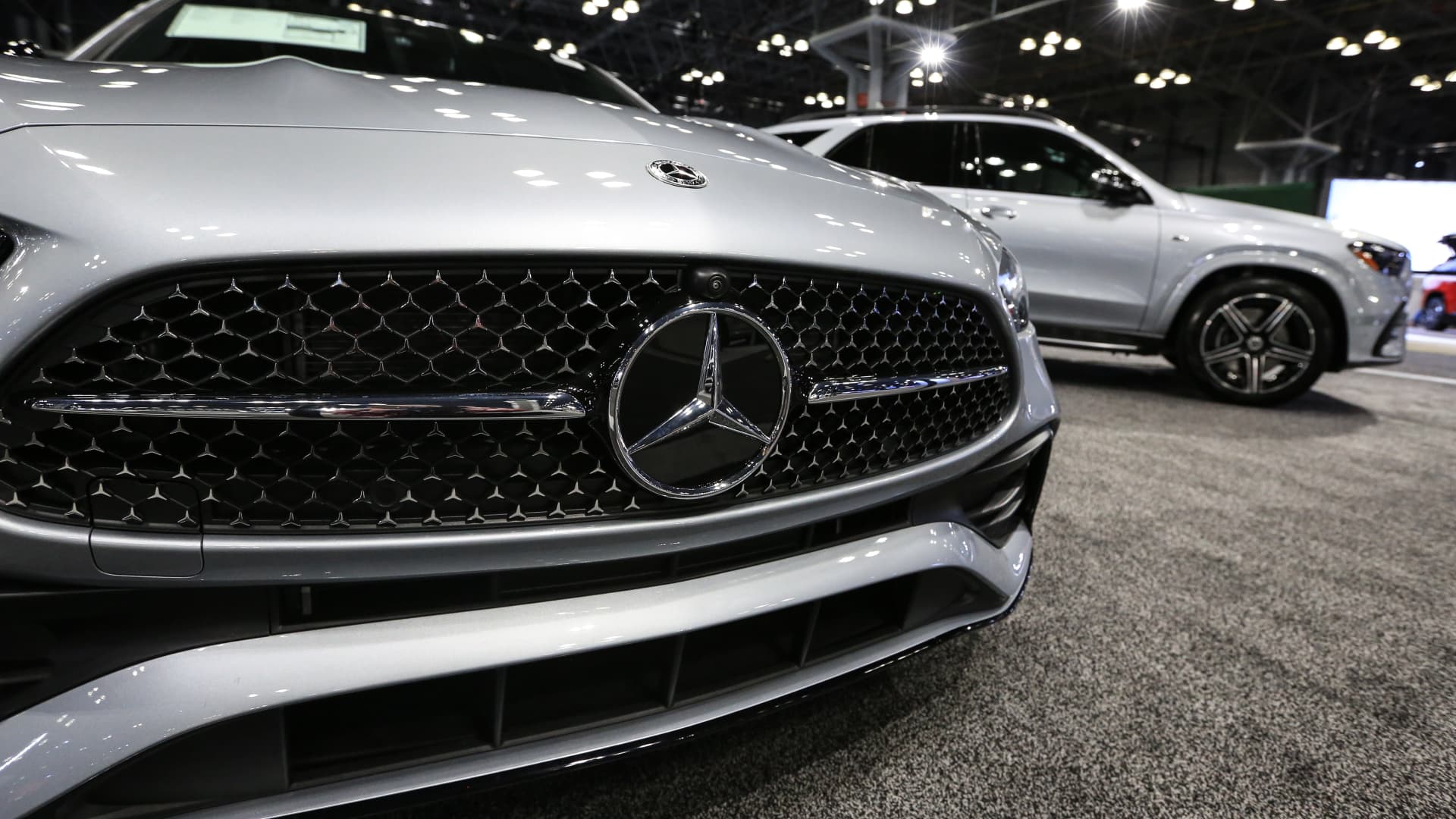
Localization Push: BMW and Mercedes-Benz accelerated North American production, with BMW investing $1.7 billion in South Carolina plants to avoid steel tariffs.
Price Adjustment: Ford raised MSRPs by 2.8% across its lineup in Q1 2024, directly attributing the increase to “ongoing trade policy impacts.”
Supply Chain Redesign: Tesla reconfigured its battery supply chain, shifting from Chinese graphite to Mozambican sources despite 15% higher costs.
“The auto industry is playing multidimensional chess with trade policy,” noted supply chain expert Dr. Evelyn Cho from the MIT Sloan School of Management. “Companies that diversified early are weathering the storm better, but everyone’s taking hits to margins.”
Investor Confidence Shaken by Guidance Vacuum
The withdrawal of financial forecasts has rattled Wall Street, with auto sector stocks dipping 4.2% collectively following the announcements. Analysts at Morgan Stanley estimate the guidance blackout could persist through 2025 unless trade policies stabilize.
Key investor concerns include:
- Reduced visibility into R&D spending
- Uncertainty about EV production timelines
- Potential dividend cuts to preserve cash
“When industry leaders won’t project next quarter’s earnings, it signals systemic risk,” warned investment strategist Raj Patel of Bernstein Research. “We’re advising clients to brace for continued volatility.”
Policy Crossroads: The 2024 Election Wildcard
With the U.S. presidential election approaching, automakers face additional uncertainty. While the Biden administration has maintained most Trump tariffs, candidates propose radically different trade agendas:
Trump Campaign: Promises expanded tariffs, including 10% universal baseline tariffs and 60%+ on Chinese vehicles
Biden Administration: Considering targeted tariff reductions on allied nations while increasing EV-related tariffs
This political uncertainty compounds existing challenges, leaving manufacturers hesitant to commit to long-term strategies. The Automotive Policy Council reports that 78% of member companies have paused expansion decisions until after the election.
The Road Ahead: Adaptation or Stagnation?
Industry analysts suggest several potential pathways forward:
- Scenario Planning: Developing multiple financial models based on different tariff outcomes
- Political Engagement: Increased lobbying for predictable trade policies
- Vertical Integration: Bringing more supply chain elements in-house
As the situation evolves, consumers may face higher prices and delayed vehicle launches. For investors and industry watchers, the coming months will prove critical in determining whether automakers can regain their forecasting footing or if the guidance drought becomes the new normal.
For timely updates on how trade policies are reshaping the automotive landscape, subscribe to our industry newsletter and join the conversation about manufacturing’s future in an era of economic uncertainty.
See more Business Focus Insider Team
