
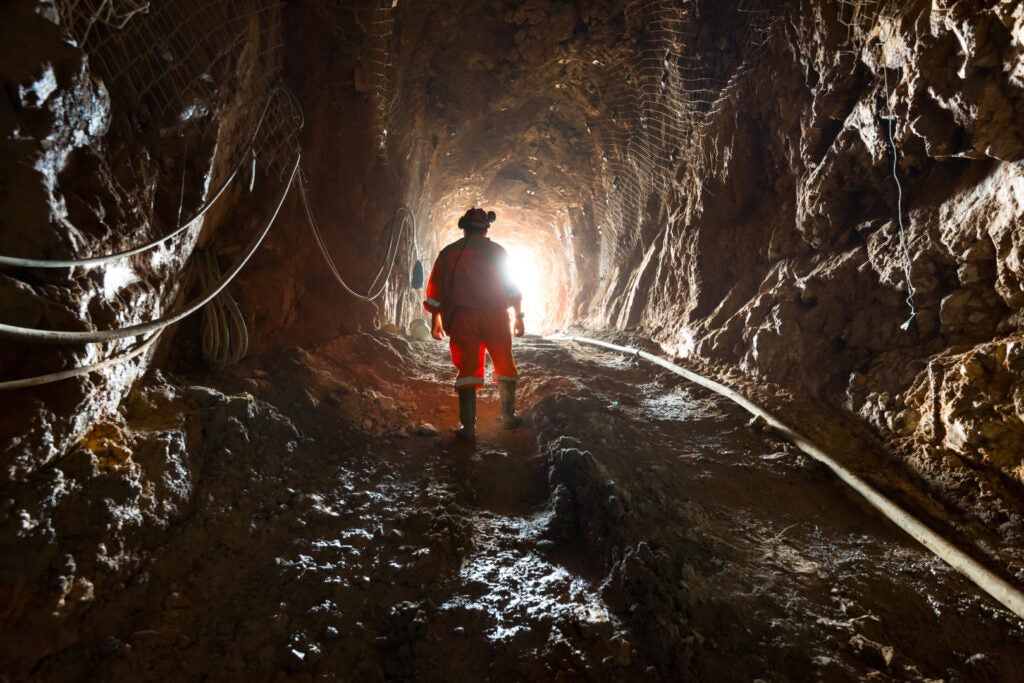
Australia’s Miners Face Policy Shifts After Labor’s Election Victory
Australia’s mining sector is bracing for significant changes following the reelection of the Labor government in May 2023. With Prime Minister Anthony Albanese pledging stricter environmental regulations and higher taxes on resource profits, industry leaders must navigate a transformed landscape while maintaining Australia’s position as a global mining powerhouse. The coming years will test miners’ adaptability as they balance economic contributions with evolving sustainability expectations.
Policy Overhaul: What the Mining Sector Can Expect
The Labor government has outlined three key policy areas affecting miners:
- Increased royalties: A 3% rise on iron ore and coal profits exceeding $75 million
- Emissions targets: 43% reduction by 2030 and net-zero by 2050
- Rehabilitation mandates: Stricter mine closure and land restoration requirements
According to the Australian Bureau of Statistics, mining contributed 10.4% to GDP in 2022, making these changes particularly consequential. “The industry recognizes the need for reform,” says Dr. Sarah Chen, Resources Analyst at Macquarie University. “But sudden, sweeping changes could jeopardize nearly 280,000 direct mining jobs and billions in regional investment.”
Economic Impacts and Industry Pushback
Major miners have expressed concerns about the proposed royalty increases. BHP’s Australian operations president, Geraldine Slattery, warns: “While we support responsible policy evolution, compounding tax burdens may reduce Australia’s competitiveness just as global demand for critical minerals surges.”
Recent data supports this concern:
- Australia supplies 55% of global lithium demand
- Iron ore exports reached $133 billion in 2021-22
- Coal remains Australia’s second-largest export
However, Climate Council researcher Tim Baxter counters: “The mining sector has enjoyed decades of favorable policies. These reforms simply align industry practices with Australia’s climate commitments and community expectations.”
The Critical Minerals Opportunity
Beyond the challenges, Labor’s policies create distinct opportunities in renewable energy-related mining. The government’s $1.5 billion Critical Minerals Strategy specifically targets:
- Lithium and cobalt for batteries
- Rare earth elements for wind turbines
- Silicon for solar panels
Western Australia’s emerging lithium producers like Pilbara Minerals stand to benefit. “We’re seeing unprecedented demand,” notes CEO Dale Henderson. “With proper policy support, Australia could dominate the global clean energy supply chain.”
Regional Communities at a Crossroads
Mining towns face particular uncertainty. In Queensland’s Bowen Basin, where coal employs 30,000 workers, mayors are seeking transition assurances. “We need concrete plans for workforce retraining and infrastructure investment,” says Isaac Regional Council Mayor Anne Baker. “These communities built Australia’s economy – they shouldn’t be left behind.”
Meanwhile, renewable energy hubs like Gladstone are attracting new investments. The Queensland Energy and Jobs Plan promises $62 billion in clean energy spending by 2035, potentially creating 100,000 jobs.
Technology as a Bridge to Compliance
Many miners are turning to innovation to meet new standards:
- Rio Tinto’s autonomous haul trucks reduced emissions by 13% at Pilbara sites
- Fortescue’s hydrogen-powered trains prototype cuts diesel use
- BHP’s satellite monitoring improves rehabilitation tracking
These solutions don’t come cheap – analysts estimate the industry must invest $15-20 billion annually to meet Labor’s 2030 targets. But as ESG investing grows, sustainability measures may become competitive advantages.
The Road Ahead for Australia’s Mining Sector
The coming 12-18 months will prove pivotal as policies take shape. Industry observers recommend miners:
- Engage proactively with policymakers on implementation timelines
- Accelerate decarbonization investments
- Diversify into future-facing commodities
- Strengthen community partnerships
While challenges abound, Australia’s mining sector has weathered policy shifts before. As the global energy transition accelerates, the nation’s vast mineral wealth and technical expertise position it well – provided industry and government can find common ground. The world will be watching how this resources powerhouse adapts to its new political reality.
For ongoing coverage of Australia’s mining policy changes, subscribe to our industry newsletter for weekly updates and expert analysis.
See more Business Focus Insider Team
