
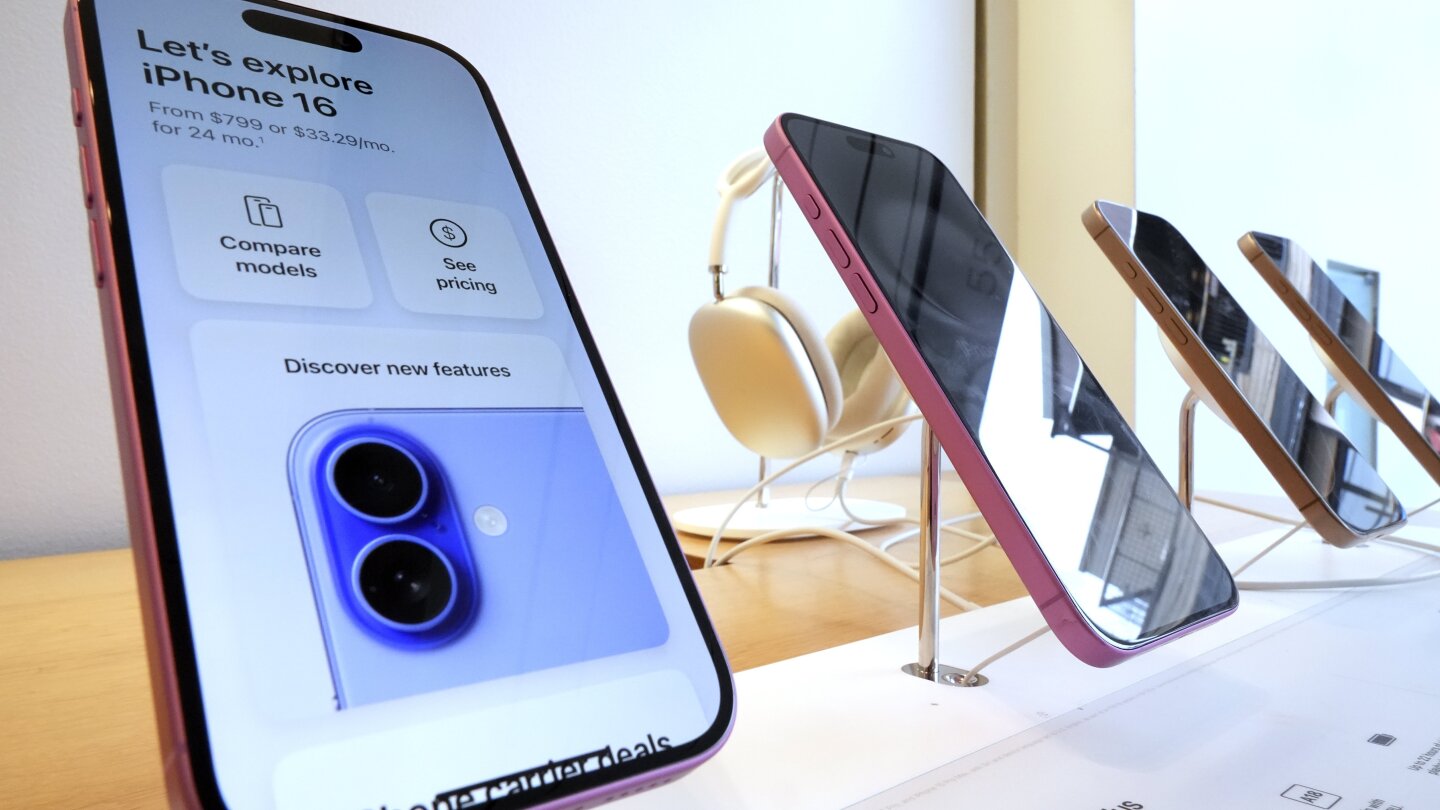
As Apple shareholders prepare for a pivotal vote, the future of the company’s diversity initiatives hangs in the balance. This decision comes in the wake of significant backlash, raising questions about corporate responsibility and inclusivity in the tech industry. The ongoing debate surrounding diversity programs at Apple is not just a matter of internal policy but reflects broader societal issues around equity and representation in one of the world’s most influential companies.
The Background of Apple’s Diversity Initiatives
Apple has long championed diversity as a core value, emphasizing the importance of creating an inclusive environment for employees and customers alike. Over the years, the company has implemented various programs aimed at increasing representation across all levels, particularly in leadership roles. These initiatives have included:
- Recruitment programs targeting underrepresented groups.
- Mentorship and sponsorship opportunities for diverse employees.
- Partnerships with organizations that focus on increasing diversity in tech.
Despite these efforts, the effectiveness of Apple’s diversity initiatives has come under scrutiny. Critics argue that the company has not made significant enough strides in measurable outcomes, leading to a growing chorus of voices calling for more transparency and accountability.
The upcoming vote by Apple shareholders is set to address several critical aspects of the company’s diversity strategy. Among the proposals is a resolution demanding the board of directors to report on the effectiveness of existing diversity programs. This move has been met with mixed reactions.
Supporters of the resolution argue that a detailed report would provide necessary insights into how well Apple is doing in terms of diversity and inclusion. They believe that increased transparency could lead to enhanced trust from both employees and customers. On the other hand, some shareholders are concerned that such measures could create unnecessary bureaucracy or shift focus away from other pressing business priorities.
Controversies Surrounding Apple’s Diversity Programs
Recent controversies have further complicated the narrative surrounding Apple’s diversity initiatives. The tech giant faced backlash after reports surfaced indicating a lack of progress in achieving its diversity goals. Notably, the percentage of Black and Hispanic employees in leadership roles has remained stagnant despite ongoing efforts to diversify. This stagnation has fueled criticism from advocacy groups and employees alike, who demand more action rather than rhetoric.
Furthermore, internal surveys have revealed dissatisfaction among employees regarding the effectiveness of diversity programs. Many feel that while Apple talks a good game about inclusion, the reality falls short of the promises made. This discontent has led to increased pressure on Apple executives to not only commit to diversity but to deliver measurable results.
The Broader Implications for the Tech Industry
The outcome of the shareholder vote at Apple could set a precedent for the entire tech industry. As one of the largest and most visible companies in the world, Apple’s decisions resonate beyond its corporate walls. If Apple strengthens its commitment to diversity through this vote, it could inspire other companies to follow suit, recognizing the need for accountability in their diversity efforts.
Conversely, if shareholders reject the proposal for greater transparency, it may embolden companies to continue with business as usual, avoiding scrutiny over their diversity practices. This situation underscores the critical role shareholders play in holding companies accountable for their social responsibilities.
Perspectives from Industry Experts
Industry experts have weighed in on the importance of the upcoming vote. Many argue that diversity isn’t just a moral imperative; it’s a business one. According to a McKinsey report, companies that prioritize diversity are 35% more likely to outperform their competitors in terms of profitability. Experts stress that a lack of diversity not only harms company culture but can also limit innovation and growth.
Moreover, as consumers become increasingly aware of corporate practices, they are more likely to support brands that align with their values. Thus, failing to address diversity concerns can have repercussions far beyond shareholder satisfaction—it can impact the company’s bottom line.
What Employees Are Saying
Many Apple employees have voiced their opinions on the company’s diversity initiatives. In internal discussions and social media platforms, employees express a desire for genuine change rather than superficial adjustments. They call for:
- More robust training programs that go beyond basic workshops.
- Increased funding for diversity initiatives.
- Clearer pathways for advancement for underrepresented employees.
Employees also emphasize the need for leadership to take ownership of these initiatives, rather than relegating them to HR departments. They argue that a top-down approach is essential for fostering a culture of inclusivity.
Conclusion: A Call for Action
As Apple shareholders face this critical vote on diversity programs, the outcome will likely have far-reaching implications not only for the company but for the tech industry as a whole. The discussions surrounding diversity are more than just corporate policy; they reflect a societal demand for equity and representation. It’s a pivotal moment that requires all stakeholders—shareholders, employees, and leadership—to come together to create a more inclusive future.
As the vote approaches, one thing is clear: the pressure is on Apple to demonstrate its commitment to diversity, not just through words but through meaningful action. The world is watching, and the stakes have never been higher.
See more Business Focus Insider Team
