
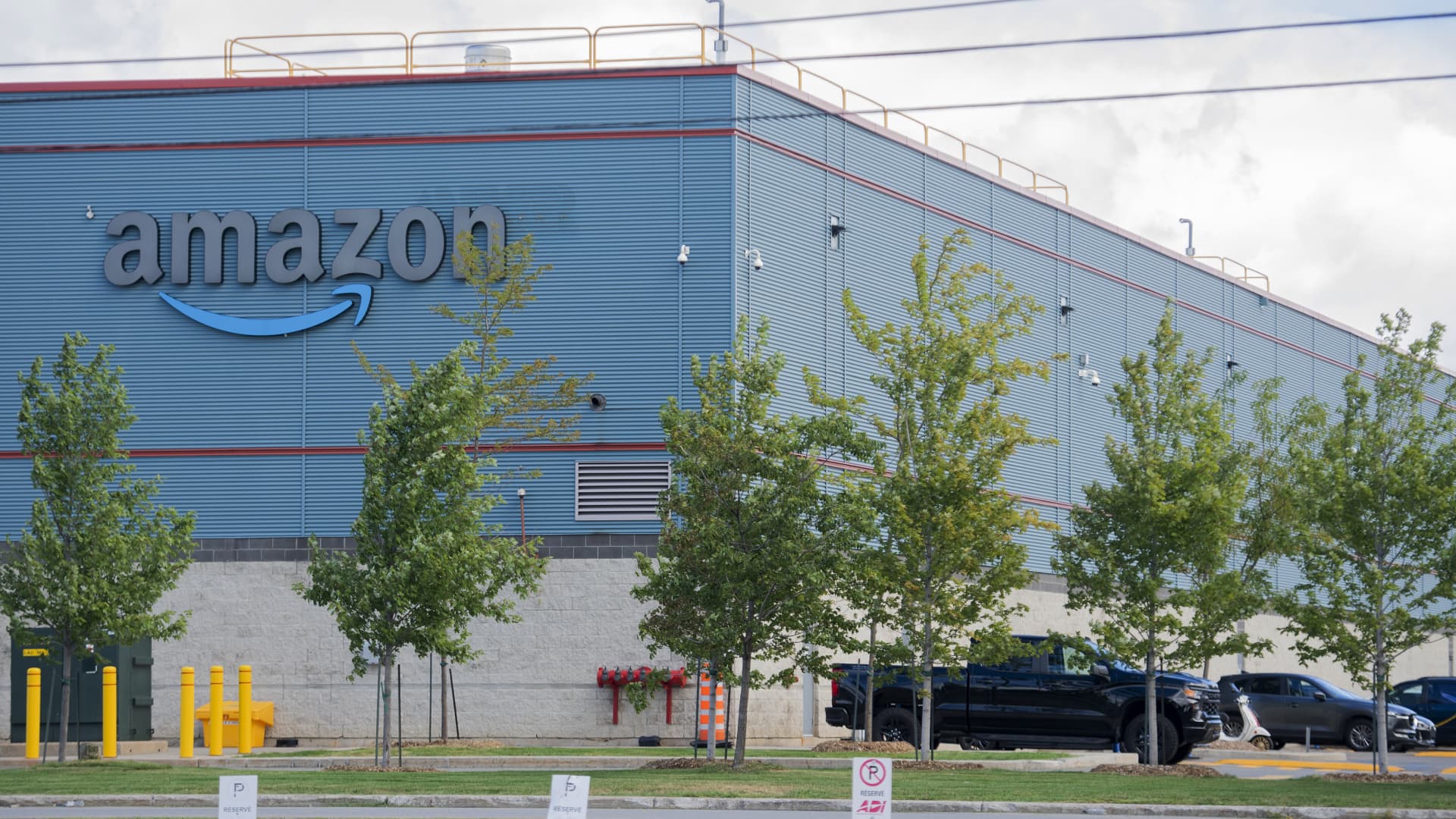
Amazon’s Warehouse Closures in Quebec Spark Legal Battle Over Mass Layoffs
The recent decision by Amazon to close its warehouses in Quebec has ignited a legal showdown, as employees face unexpected mass layoffs. Advocates argue that the closures violate labor rights, raising questions about corporate responsibility in times of economic uncertainty. This situation not only affects the lives of thousands of employees but also highlights the broader implications of corporate practices in the modern economy.
The Context of Amazon’s Decision
Amazon, one of the world’s largest e-commerce giants, has been expanding its operations globally, including significant investments in Canada. However, the recent announcement of warehouse closures in Quebec has taken many by surprise. The company cited various operational reasons, including shifting market demands and the need to streamline processes. Yet, these rationales have not assuaged the concerns of affected employees and labor advocates.
Impact on Employees
The sudden closure of Amazon’s warehouses has left thousands of workers facing uncertainty. Employees who dedicated years to the company now find themselves navigating the complexities of unemployment and job searching in a challenging economic climate. The layoffs are particularly concerning for those who rely heavily on their income to support families and meet daily expenses.
- Emotional Toll: The emotional impact of sudden job loss can be profound. Many employees report feelings of betrayal and anxiety about their future.
- Financial Strain: For many, losing a job is synonymous with losing financial stability, leading to potential housing issues and difficulties in meeting basic needs.
- Job Market Challenges: The job market, while recovering from the pandemic, still presents challenges, especially in sectors that are competitive or have seen a shift in demand.
Legal Ramifications of the Layoffs
The mass layoffs initiated by Amazon’s warehouse closures have prompted a legal examination of the company’s practices. Labor rights advocates argue that these closures may violate Quebec’s labor laws, which are designed to protect workers during significant organizational changes.
Labor Rights and Corporate Responsibility
In Quebec, the law mandates that employers must provide notice of layoffs or, in some cases, severance pay based on the duration of employment. Critics of Amazon’s handling of the situation argue that the company has not adhered to these legal standards, leading to calls for accountability.
- Collective Bargaining: Unions are stepping in, advocating for the rights of employees and seeking to negotiate better terms for those affected by the layoffs.
- Legal Action: Employees have started to seek legal counsel, potentially leading to class-action lawsuits against Amazon for what they perceive as unfair labor practices.
Corporate Accountability in Economic Uncertainty
The situation in Quebec raises essential questions about corporate accountability, particularly during times of economic uncertainty. As companies like Amazon continue to thrive, the expectation grows that they should also consider their social responsibilities.
Balancing Profit and People
In the pursuit of profit, corporations often face the dilemma of balancing operational efficiency with the welfare of their employees. Amazon’s decision to close warehouses may be a strategic move, but it also brings to light the ethical considerations of such actions.
- Long-term Implications: Companies that prioritize short-term gains may face backlash from consumers and communities in the long run.
- Reputation Management: The public’s perception of a brand can be significantly impacted by how it treats its employees, influencing customer loyalty and brand trust.
Community Response and Support Systems
The community response to Amazon’s warehouse closures has been one of solidarity. Local organizations and community leaders are stepping up to support affected workers through various initiatives.
Supportive Measures for Laid-off Workers
In light of these closures, several community programs and support systems have emerged, aiming to assist those impacted by the layoffs:
- Job Placement Services: Local employment agencies are ramping up efforts to connect laid-off workers with potential job opportunities in other sectors.
- Financial Counseling: Workshops on financial management are being organized to help individuals navigate their finances during this uncertain period.
- Mental Health Resources: Recognizing the emotional toll of job loss, mental health professionals are providing resources and counseling to those in need.
Looking Ahead: The Future of Work in Quebec
As the dust settles from Amazon’s warehouse closures, the future of work in Quebec remains uncertain. The landscape is evolving, and employees, employers, and policymakers must adapt to the new realities of the job market.
Innovative Solutions for a Changing Economy
To mitigate the impact of such mass layoffs, stakeholders must consider innovative solutions that promote job stability and worker protection:
- Enhanced Worker Protections: Strengthening labor laws to ensure that employees are protected during organizational changes is crucial.
- Investment in Training Programs: Companies should invest in retraining and upskilling programs to help employees transition into new roles or industries.
- Corporate Transparency: Encouraging companies to be transparent about their operational strategies and the potential impact on employees can foster trust and accountability.
Conclusion
The closure of Amazon’s warehouses in Quebec has sparked a significant legal battle, raising important questions about labor rights and corporate responsibility. As affected employees seek justice and support, the situation underscores the need for a more balanced approach to business practices that prioritize both profitability and the welfare of workers. The community’s response highlights the strength of solidarity in times of crisis, reminding us that together, we can navigate the challenges of an ever-evolving economic landscape.
Ultimately, this incident serves as a wake-up call for businesses to consider the human impact of their decisions and for policymakers to strengthen protections for workers in an increasingly uncertain world.
See more Business Focus Insider Team
