
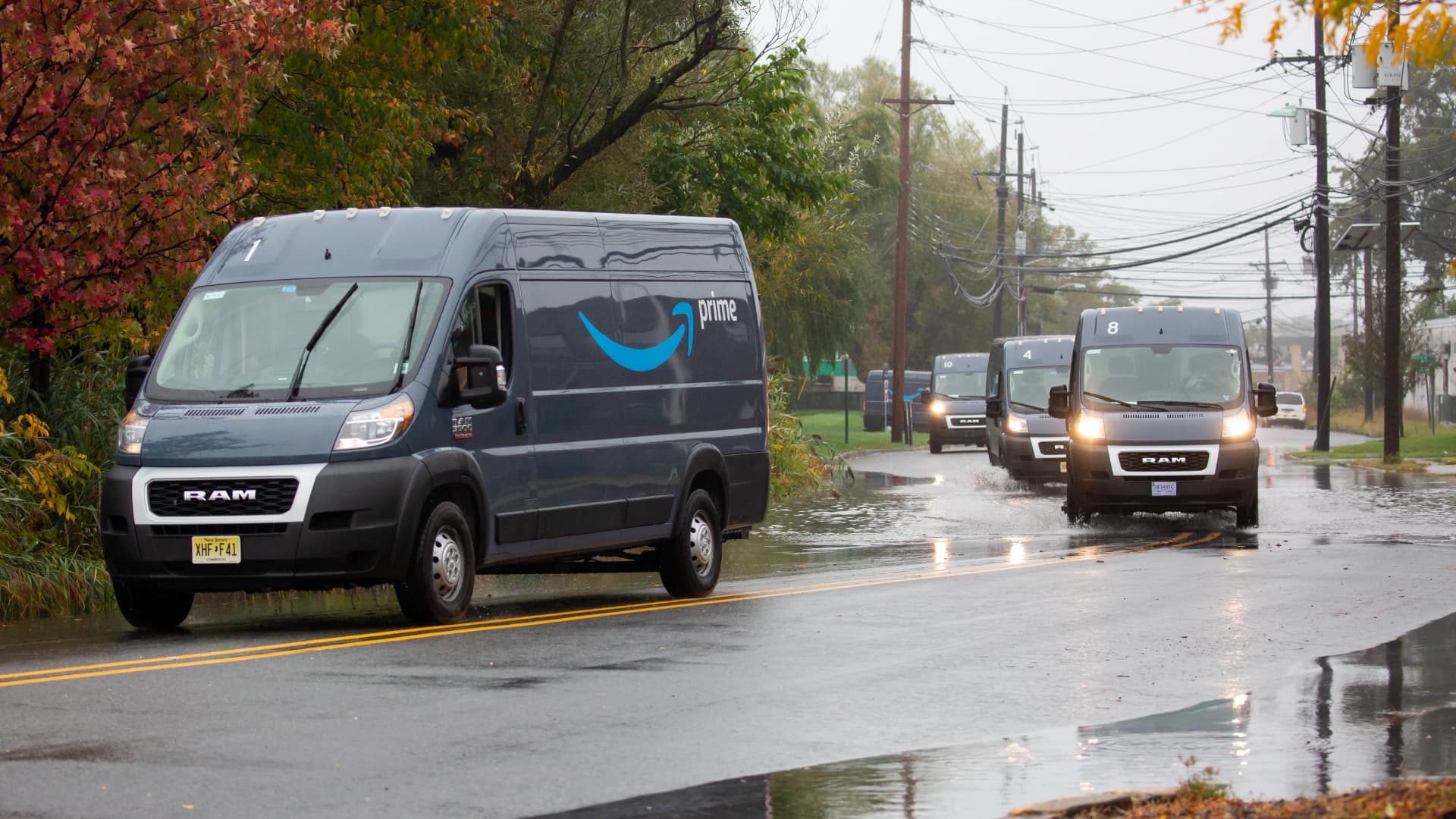
Amazon’s $4 Billion Bet: Transforming Small Town Deliveries
Amazon is investing $4 billion to overhaul delivery infrastructure in rural America, aiming to slash wait times and boost economic opportunities in underserved communities. The tech giant announced plans this week to establish 100 new distribution hubs, deploy 5,000 electric delivery vans, and create 15,000 jobs in small towns nationwide by 2025. This strategic move addresses growing e-commerce demands while positioning Amazon to dominate last-mile logistics in previously neglected markets.
The Rural Delivery Revolution Takes Shape
For residents like Martha Jennings of Booneville, Arkansas, Amazon’s initiative promises life-changing convenience. “Right now, we wait five days minimum for packages,” says Jennings, who runs a pottery business from her farm. “When the roads flood, deliveries get canceled altogether.” Amazon’s data shows rural customers experience 47% longer delivery times than urban counterparts, with 22% of small towns lacking same-week delivery options.
The company will implement a three-pronged approach:
- Micro-fulfillment centers: 50,000-square-foot facilities within 50 miles of target communities
- Drone delivery expansion: 300 new Prime Air hubs serving populations under 10,000
- Local partnerships: Collaborations with 1,200 rural post offices and small businesses
Economic Ripple Effects for Small Towns
“This isn’t just about faster toothbrush deliveries,” explains Dr. Elena Rodriguez, urban planning professor at Texas A&M. “Amazon’s investment could catalyze $12 billion in ancillary economic growth through new warehouses, service industries, and improved infrastructure.” Early pilot programs show promising results:
| Location | Jobs Created | Delivery Time Improvement |
|---|---|---|
| Presque Isle, ME | 142 | 62% faster |
| Winslow, AZ | 89 | 58% faster |
However, some local retailers express concern. “We survived by offering what Amazon couldn’t – immediate availability,” says hardware store owner Jim Baxter of Guthrie, Oklahoma. “Now that advantage disappears.”
Logistics Challenges in America’s Heartland
Delivering to remote areas presents unique hurdles. Mountainous terrain, limited cellular coverage, and vast distances between stops complicate routing algorithms. Amazon’s solution involves:
- AI-powered dynamic routing that adjusts for weather and road conditions
- Hybrid delivery fleets combining EVs, drones, and contracted rural carriers
- Solar-powered locker systems at community gathering points
“We’re not just transplanting urban models,” says Amazon VP of Worldwide Operations Udit Madan. “In Montana, we’re testing snowmobile deliveries. In Louisiana bayous, we’ve partnered with airboat operators.” The company has filed 17 patents specifically addressing rural delivery challenges since 2021.
Workforce Development and Training Initiatives
Creating 15,000 jobs in areas with limited tech workforces requires innovative approaches. Amazon will fund:
- Vocational training programs at 50 community colleges
- Signing bonuses up to $3,000 for rural hires
- Mobile training units that visit remote areas
“These aren’t just package handler roles,” notes Labor Economist David Yamada. “Amazon needs drone technicians, logistics managers, and EV mechanics – careers with upward mobility potential.”
Environmental Impact and Sustainability Measures
The initiative includes notable green components:
- 5,000 Rivian electric vans adapted for long-range rural routes
- 200 micro-solar farms powering distribution hubs
- AI systems to minimize empty return trips
While promising, some environmentalists remain skeptical. “Electric vehicles help, but increased delivery volume still means more emissions,” argues Sierra Club spokesperson Rachel Goldstein. “We’d like to see commitments to 100% renewable energy at all new facilities.”
The Future of Rural E-Commerce
Industry analysts predict Amazon’s move will force competitors to accelerate rural investments. Walmart recently announced plans for 30 new rural fulfillment centers, while UPS is testing autonomous delivery vehicles in Iowa farm country.
For consumers, the changes could mean:
- Same-day delivery for 60% more rural ZIP codes
- 15% lower perishable food costs via improved cold chain logistics
- New opportunities for artisan businesses to reach global markets
As Amazon reshapes America’s delivery landscape, small towns stand at a crossroads – poised to gain economic vitality while navigating the disruptions of rapid change. The company plans to release phase one implementation details this fall.
How might improved delivery infrastructure transform your community? Share your perspective with local representatives as these developments unfold.
See more Business Focus Insider Team
