
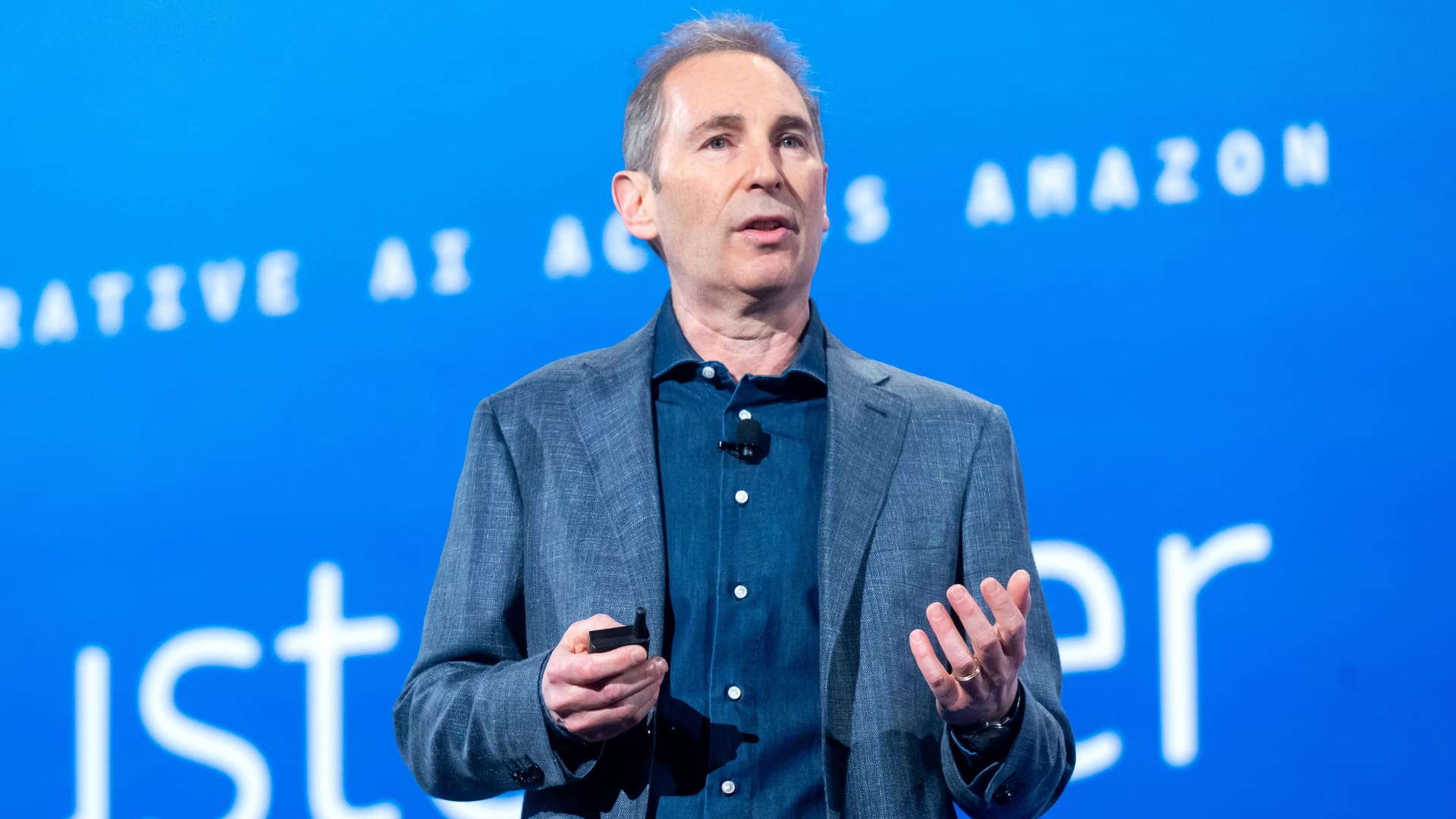
Amazon’s CEO Jassy Projects Confidence Despite Tariff Challenges
Amazon CEO Andy Jassy struck an optimistic tone this week, asserting the e-commerce giant could not only withstand ongoing global tariff uncertainties but leverage them for long-term growth. Speaking at a Seattle leadership summit on Tuesday, Jassy outlined adaptive strategies including supply chain diversification and AI-driven logistics—a stance analysts call both ambitious and calculated amid rising trade tensions between the U.S., China, and the EU.
Strategic Pivots in a Volatile Trade Environment
With U.S. tariffs on Chinese imports potentially rising to 25% for $300 billion worth of goods, Amazon faces increased costs on everything from electronics to home goods. Yet Jassy emphasized the company’s “unmatched scale and agility,” noting that 60% of Amazon’s 2023 supplier base already shifted to alternative markets like Vietnam and Mexico. “Tariffs accelerate trends we’ve invested in for years,” he said, pointing to:
- Regional fulfillment networks that cut cross-border dependencies
- AI-powered inventory forecasting reducing overstock risks by 34% in Q1 2024
- Third-party seller tools helping 120,000 SMEs navigate customs changes
Industry watchers confirm the strategy’s early traction. “Amazon’s logistics algorithms adjusted delivery routes within 72 hours of the latest EU steel tariffs,” said MIT supply chain expert Dr. Elena Rodriguez. “That responsiveness gives them a 15-20% cost advantage over competitors still reliant on static trade lanes.”
While Jassy’s confidence reassured investors—Amazon shares rose 3.2% post-announcement—consumer advocates warn of trickle-down effects. A recent Prosper Insights survey found 58% of shoppers expect higher prices if tariffs persist, potentially slowing Amazon’s retail growth. The company counters with data showing Prime membership retention at 93% despite 2023’s 7% average price hike on imported goods.
“Amazon walks a tightrope,” noted retail analyst Mark Simmons. “Their B2B cloud division (AWS) offsets retail margins, but long-term success requires keeping both businesses resilient.” AWS revenue grew 17% year-over-year, partly due to tariff-related demand for localized data centers in Europe and Asia.
How Automation Fuels Amazon’s Tariff Resilience
Behind the scenes, Amazon’s robotics and AI investments prove critical. Over 750,000 mobile robots now handle 65% of fulfillment center tasks, allowing real-time inventory redistribution. When Canada imposed aluminum tariffs last month, Amazon’s systems rerouted 400,000 units to U.S. warehouses within 48 hours. “Automation lets us pivot faster than manual operations ever could,” said Jassy, highlighting:
- Computer vision systems that inspect goods pre-shipment, reducing $1.2B in annual tariff misclassification fines
- Blockchain tracking verifying product origins to qualify for trade agreement discounts
However, labor groups argue automation exacerbates job insecurity. “Every robot deployed is a worker denied stability in turbulent times,” said United Warehouse Workers spokesperson Diane Cole.
The Global Chessboard: Amazon’s Next Moves
Looking ahead, Amazon plans to double down on India and Southeast Asia, where tariff structures favor localized production. A leaked internal memo reveals negotiations for 12 new “micro-fulfillment hubs” near major ports to bypass customs delays. Meanwhile, their $11B Project Kuiper satellite network aims to offset ground logistics bottlenecks with aerial delivery routes.
“The companies thriving in this era aren’t just surviving tariffs—they’re redesigning trade itself,” said Georgetown trade professor Carlos Mendez. Jassy’s playbook appears to agree: Amazon recently patented a “dynamic tariff absorption engine” that automatically adjusts prices and suppliers based on real-time trade policy changes.
What Jassy’s Optimism Means for the Broader Market
As the world’s largest e-commerce firm, Amazon’s strategies often set industry standards. Competitors like Walmart and Alibaba are already emulating its hybrid retail-cloud model and AI logistics. Yet risks remain—over 40% of Amazon’s 2023 revenue still depends on tariff-sensitive categories.
For now, Jassy’s confidence offers a case study in corporate adaptability. “Economic headwinds reveal whether you’ve built a house of cards or a fortress,” he remarked. Investors and rivals alike will watch closely to see which metaphor holds.
For deeper insights on tariff-proof business models, download our free report on Global Trade Adaptation Strategies.
See more Business Focus Insider Team
