
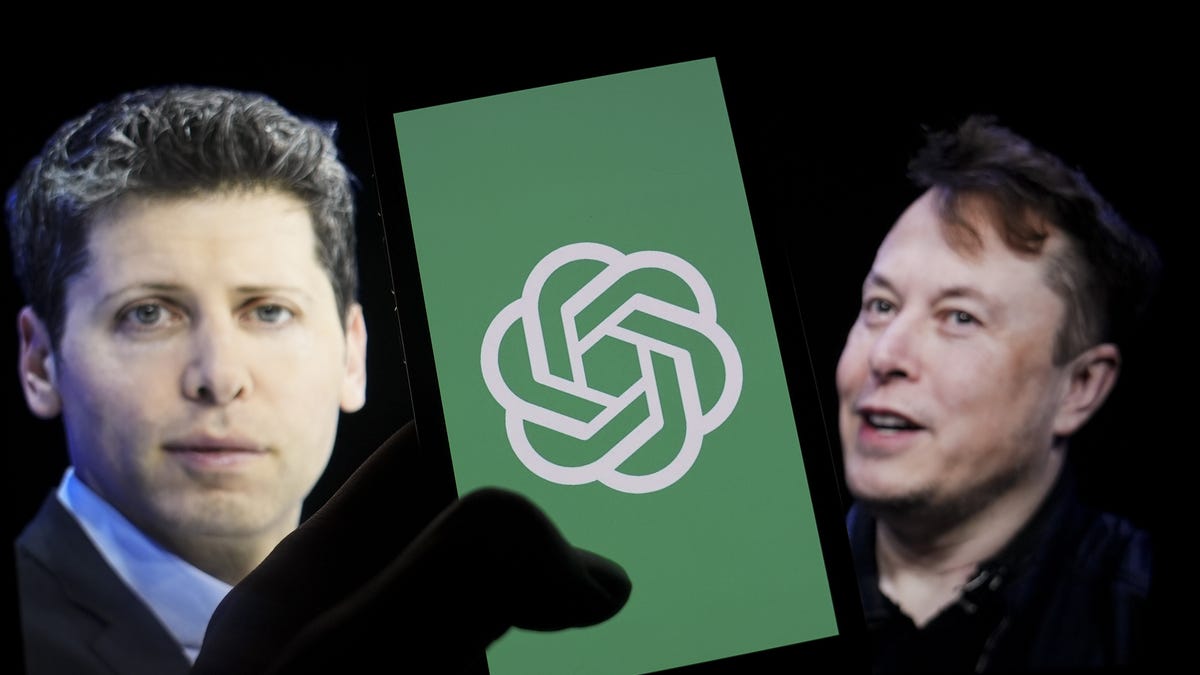
As the artificial intelligence landscape rapidly evolves, a significant rivalry has emerged between two of its most prominent figures: Sam Altman, CEO of OpenAI, and Elon Musk, the visionary behind Tesla and SpaceX. This feud has not only captured headlines but has also created ripples across the tech and financial sectors. Investors and stakeholders are now tasked with navigating this unpredictable battlefield, where the stakes are high, and the implications of AI advancements are profound. In this article, we will explore the intricacies of the Altman-Musk feud and provide insights from a Deutsche Bank executive on how to thrive amidst this tension.
The Origins of the Feud
The conflict between Altman and Musk can be traced back to differing philosophies regarding artificial intelligence. Musk, known for his cautionary stance on AI, has often warned about the potential dangers of unchecked AI development. He believes that strong regulatory measures are essential to prevent AI from becoming a threat to humanity. In contrast, Altman and OpenAI advocate for the responsible advancement of AI technologies, emphasizing their potential to solve complex global issues.
This fundamental disagreement has fueled public confrontations and debates, which have, in turn, impacted investor sentiment and market dynamics. As both leaders continue to push their respective agendas, the AI battlefield becomes increasingly complex, creating a challenging environment for investors seeking clarity.
Market Reactions and Investor Concerns
The Altman-Musk feud has elicited varied reactions from the market. Investors are grappling with the implications of this rivalry on AI startups, established tech firms, and the broader economic landscape. Concerns over regulatory scrutiny, competitive positioning, and ethical considerations are at the forefront of investors’ minds. Some key market reactions include:
- Increased Volatility: Stocks of companies heavily invested in AI technologies have experienced fluctuations as investors react to news and developments related to Altman and Musk.
- Shifts in Funding: Venture capital firms may become cautious about investing in AI startups that could be adversely affected by the feud or regulatory changes.
- Ethical Considerations: Investors are increasingly focused on the ethical implications of AI development, with a preference for companies that prioritize responsible practices.
Insights from Deutsche Bank: Strategies for Investors
In light of these challenges, Deutsche Bank has provided valuable insights into navigating the AI battlefield. A senior executive at the bank has outlined several strategies for investors to consider:
1. Stay Informed About Regulatory Changes
As the feud between Altman and Musk continues, regulatory discussions will likely intensify. Investors should keep a close eye on legislative developments regarding AI. Understanding the regulatory landscape can help investors make informed decisions about which companies are best positioned to thrive in a changing environment.
2. Diversify Investments Across AI Sectors
Given the volatility associated with the Altman-Musk rivalry, diversifying investments across various AI sectors is a prudent strategy. This could include:
- Healthcare AI: Companies developing AI solutions for diagnostics and treatment options.
- Autonomous Systems: Firms focusing on autonomous vehicles and robotics.
- AI Software and Platforms: Businesses providing AI tools and infrastructure for other companies.
3. Focus on Ethical AI Practices
Investors are increasingly drawn to companies that prioritize ethical considerations in their AI development. Supporting organizations committed to transparency, fairness, and accountability can mitigate risks associated with potential backlash from regulatory bodies or public opinion.
4. Monitor Public Sentiment
The feud between Altman and Musk has a significant impact on public perception of AI technologies. Monitoring social media trends and public discourse can provide insights into how consumers and investors feel about different companies and their AI initiatives. This information can be invaluable for making timely investment decisions.
5. Engage with AI Thought Leaders
Building connections with thought leaders and experts in the AI field can offer investors unique perspectives on emerging trends and technologies. Attending conferences, webinars, and discussions featuring industry experts can provide deeper insights into the evolving AI landscape.
The Future of AI: Opportunities Amidst Rivalry
Despite the tensions between Altman and Musk, the future of AI holds immense potential. Innovations in machine learning, natural language processing, and robotics continue to advance, offering myriad opportunities for growth. Investors who can navigate the complexities of the current landscape may find themselves well-positioned to capitalize on these advancements.
Moreover, as the battle between Altman and Musk unfolds, it is likely that new players will emerge in the AI arena. Startups and established companies alike will seek to carve out their niches, pushing the boundaries of what is possible with AI technologies.
Conclusion: Thriving in the AI Battlefield
The Altman-Musk feud represents a microcosm of the broader challenges and opportunities present in the AI landscape. While tensions may create uncertainty, they also serve as a catalyst for innovation and ethical discourse in the field. By adopting the strategies outlined by Deutsche Bank, investors can navigate this complex environment, making informed choices that align with their financial goals and ethical considerations.
As the AI battlefield continues to evolve, staying agile and informed will be key to thriving in this exciting and ever-changing landscape. Embracing the future of AI with a balanced perspective can lead to significant rewards, both financially and socially.
See more Business Focus Insider Team
