
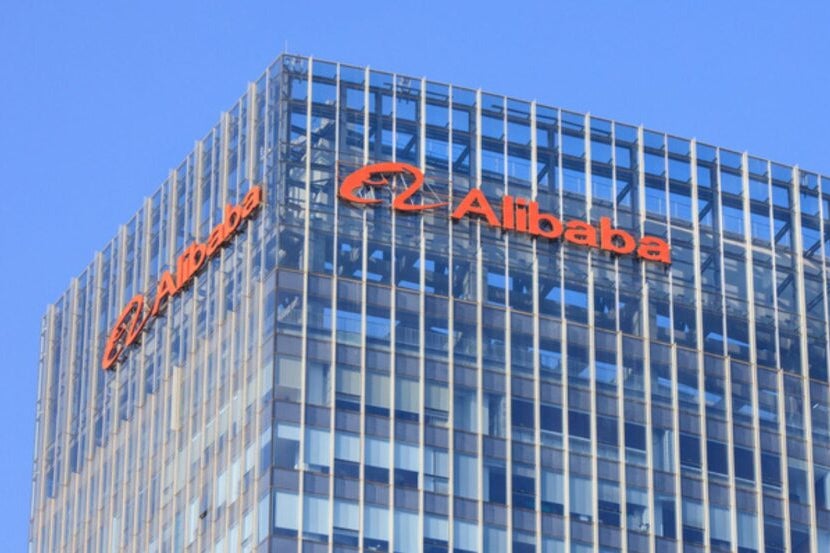
Alibaba’s Strategic Buybacks: A Game-Changer Amidst Stellar Q3 Performance
Alibaba Group Holding Limited has recently made headlines with its impressive financial performance in the third quarter and a strategic move that could reshape its market presence. During a recent earnings call, Alibaba’s Chief Financial Officer, Toby Xu, disclosed a significant 5% decrease in share count, attributing this reduction to the company’s aggressive buyback initiatives. These developments not only reflect Alibaba’s robust financial health but also underscore the enduring legacy of Jack Ma’s leadership.
The Context of Alibaba’s Q3 Performance
Alibaba’s Q3 results have been nothing short of stellar, with revenue growth and an increase in active users across its platforms. The company reported a revenue of approximately $30.9 billion, marking a year-over-year increase that exceeded analysts’ expectations. This performance is indicative of a rebound after facing regulatory challenges and market fluctuations in previous years.
The boost in revenue can be traced back to several key factors:
- Increased E-commerce Activity: As consumers continue to shift towards online shopping, Alibaba has capitalized on this trend, particularly in its core markets.
- Cloud Computing Growth: Alibaba Cloud has shown significant growth, contributing to the overall revenue and diversifying the company’s income sources.
- International Expansion: The company has been making strides in international markets, enhancing its global footprint and customer base.
Understanding Alibaba’s Strategic Buybacks
In conjunction with its remarkable financial results, Alibaba’s decision to implement aggressive buyback initiatives is a strategic move designed to instill confidence among investors. By reducing the total number of outstanding shares by 5%, Alibaba effectively increases the value of remaining shares, demonstrating its commitment to delivering value to shareholders.
Buyback programs are often employed by companies to:
- Enhance Shareholder Value: By reducing the share count, earnings per share (EPS) increase, which can lead to a higher stock price.
- Signal Confidence: A buyback indicates that the company believes its stock is undervalued, suggesting optimism about future performance.
- Utilize Excess Cash: Companies with substantial cash reserves often use buybacks as a way to deploy capital effectively.
For Alibaba, this decision aligns with its broader strategic objectives and showcases a proactive approach to market challenges. It reflects a commitment to maintaining shareholder trust and confidence, especially in a volatile economic environment.
The Legacy of Jack Ma and Its Impact
Jack Ma, Alibaba’s co-founder, has left an indelible mark on the company’s culture and strategic direction. His vision of creating a sustainable business model that prioritizes long-term growth over short-term profits has been instrumental in shaping Alibaba’s approach to operations.
Under Ma’s leadership, Alibaba embraced innovation and adaptability. The current buyback strategy can be seen as a continuation of this philosophy, reinforcing the importance of resilience in the face of challenges. The company’s ability to rebound and implement strategic initiatives speaks volumes about the foundational principles laid down by Ma.
Market Reactions and Future Implications
The market response to Alibaba’s recent announcements has been predominantly positive. Investors are encouraged by the company’s strong financial results and strategic vision. Analysts predict that the buyback initiative could lead to a sustained increase in stock prices, providing an attractive investment opportunity for current and potential shareholders.
Moreover, the reduction in share count may help to stabilize the stock amid ongoing regulatory scrutiny in China. As the government continues to impose regulations on technology firms, Alibaba’s proactive measures to enhance shareholder value can serve as a buffer against market volatility.
Challenges Ahead
Despite the optimism surrounding Alibaba’s strategic buybacks and financial performance, the company faces several challenges that could impact its future trajectory:
- Regulatory Environment: Stricter regulations in China may pose operational hurdles and influence market dynamics.
- Competition: Increasing competition from both domestic and international e-commerce platforms could affect market share.
- Global Economic Conditions: Economic fluctuations and geopolitical tensions can impact consumer behavior and spending.
To navigate these challenges, Alibaba must continue to innovate and adapt its business strategies to align with evolving market conditions. The company’s emphasis on sustainability and customer-centric approaches will play a vital role in its long-term success.
Conclusion: A Positive Outlook for Alibaba
Alibaba’s strategic buybacks, coupled with its stellar Q3 performance, highlight a pivotal moment for the company. By reducing its share count by 5% and showcasing strong revenue growth, Alibaba not only reinforces its commitment to its shareholders but also positions itself for future success. The legacy of Jack Ma remains a guiding force, inspiring confidence and resilience within the organization.
As the company moves forward, it will need to balance its growth ambitions with the challenges posed by the regulatory landscape and competitive pressures. However, with its robust financial performance and strategic initiatives, Alibaba is poised to navigate these complexities and emerge as a stronger player in the global market.
In summary, Alibaba’s strategic buybacks are not just a financial maneuver; they represent a bold statement of confidence in the company’s trajectory and a commitment to maximizing shareholder value. As the e-commerce giant continues to evolve, its ability to adapt, innovate, and maintain its leadership position will be critical in shaping its future.
See more Business Focus Insider Team
