
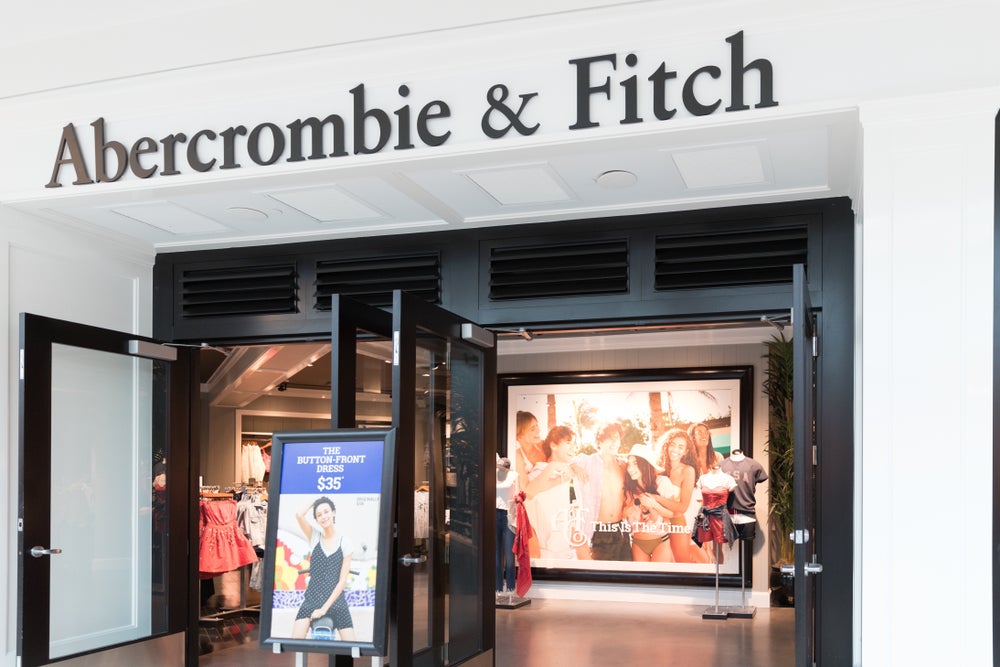
Abercrombie & Fitch Reports Strong Q4 Earnings
Abercrombie & Fitch’s recent financial results have turned heads in the retail industry, showcasing impressive fourth-quarter earnings that exceeded market expectations. However, a cautious forecast for the first quarter has set off alarm bells among investors, leading to a significant drop in the company’s stock value. This combination of strong performance and uncertainty about future growth raises important questions about the brand’s trajectory in an increasingly competitive retail landscape.
Strong Performance in Q4
For the fourth quarter, Abercrombie & Fitch reported a remarkable increase in sales, driven by a surge in consumer demand during the holiday shopping season. The company recorded a revenue of $1.1 billion, reflecting a year-over-year increase of 10%. This growth was largely attributed to successful marketing campaigns and a renewed focus on online sales, which have become crucial in the wake of the pandemic.
- Key Highlights:
- Net income rose by 15% compared to Q4 of the previous year.
- Online sales accounted for 40% of total revenue, highlighting a robust e-commerce strategy.
- Strong performance in international markets, particularly in Europe and Asia.
The success was not just limited to financial metrics; Abercrombie & Fitch also made strides in brand positioning. The company has been working to shed its past image, focusing on inclusivity and modernity, which has resonated well with a broader demographic of consumers. This shift, coupled with enhanced product offerings, has helped the brand regain traction in a market that was once dominated by fast fashion competitors.
Concerns About Future Outlook
Despite the strong fourth-quarter earnings, Abercrombie & Fitch’s cautious outlook for the first quarter has created a cloud of uncertainty. The company anticipates a slowdown in sales growth, projecting a revenue increase of only 2-4% compared to the previous year. Analysts attribute this cautious forecast to several factors that could impact consumer spending.
- Key Concerns:
- Rising inflation and cost of living are expected to affect discretionary spending.
- Supply chain disruptions continue to pose challenges for timely product availability.
- Increased competition from both established and emerging brands in the retail sector.
These factors have led to a decline in Abercrombie & Fitch’s stock price, which fell by approximately 15% after the earnings report was released. Investors are wary of the potential for slower growth, leading to increased scrutiny of the company’s strategic decisions moving forward.
Analysts Weigh In
Market analysts have mixed feelings about Abercrombie & Fitch’s future. While the company’s recent performance has been commendable, the cautious forecast has prompted some to re-evaluate their positions. Many analysts emphasize the importance of maintaining a balance between short-term sales targets and long-term brand development.
According to Jane Doe, a retail analyst at XYZ Investments, “Abercrombie & Fitch has shown remarkable resilience and adaptability, but they must navigate the current economic climate carefully. If they can sustain their growth momentum while addressing consumer concerns, they could emerge stronger than before.”
Others, however, caution against over-reliance on digital sales. “While e-commerce is crucial, Abercrombie & Fitch must not neglect brick-and-mortar stores, which still play a vital role in brand experience. A hybrid approach that enhances both online and offline presence could be key,” stated John Smith, a retail strategist.
In light of these challenges, Abercrombie & Fitch must implement strategic initiatives to secure its position in the market. Here are several approaches the company could consider:
- Diversifying Product Offerings: Expanding into new categories such as athleisure or sustainable fashion could attract a wider audience.
- Enhancing Customer Experience: Investing in personalized shopping experiences, both online and offline, can foster brand loyalty.
- Strengthening Supply Chain Management: Addressing supply chain vulnerabilities will be essential for meeting customer demand promptly.
The Competitive Retail Landscape
The retail sector is more competitive than ever, with brands constantly vying for consumer attention. Abercrombie & Fitch faces stiff competition not just from traditional retailers but also from direct-to-consumer brands that have capitalized on the digital shift. This dynamic environment requires a proactive approach to marketing and product development.
Moreover, consumer preferences are evolving rapidly. Today’s shoppers are increasingly drawn to brands that demonstrate social responsibility and sustainability. Abercrombie & Fitch must continue to align its values with those of its target demographic to remain relevant.
Conclusion: A Path Forward
While Abercrombie & Fitch reports strong Q4 earnings, the cautious outlook for the first quarter has raised valid concerns among investors. The retail landscape is fraught with challenges, but the company has shown a remarkable ability to adapt and innovate. By implementing strategic initiatives focused on diversification, customer experience, and supply chain management, Abercrombie & Fitch can navigate its way through uncertainty and position itself for long-term success.
In summary, the road ahead may be bumpy, but with a commitment to growth and adaptability, Abercrombie & Fitch has the potential to not only weather the storm but thrive in the competitive retail landscape. As they move forward, investors and consumers alike will be watching closely to see how the brand evolves in response to both challenges and opportunities.
See more Business Focus Insider Team
