
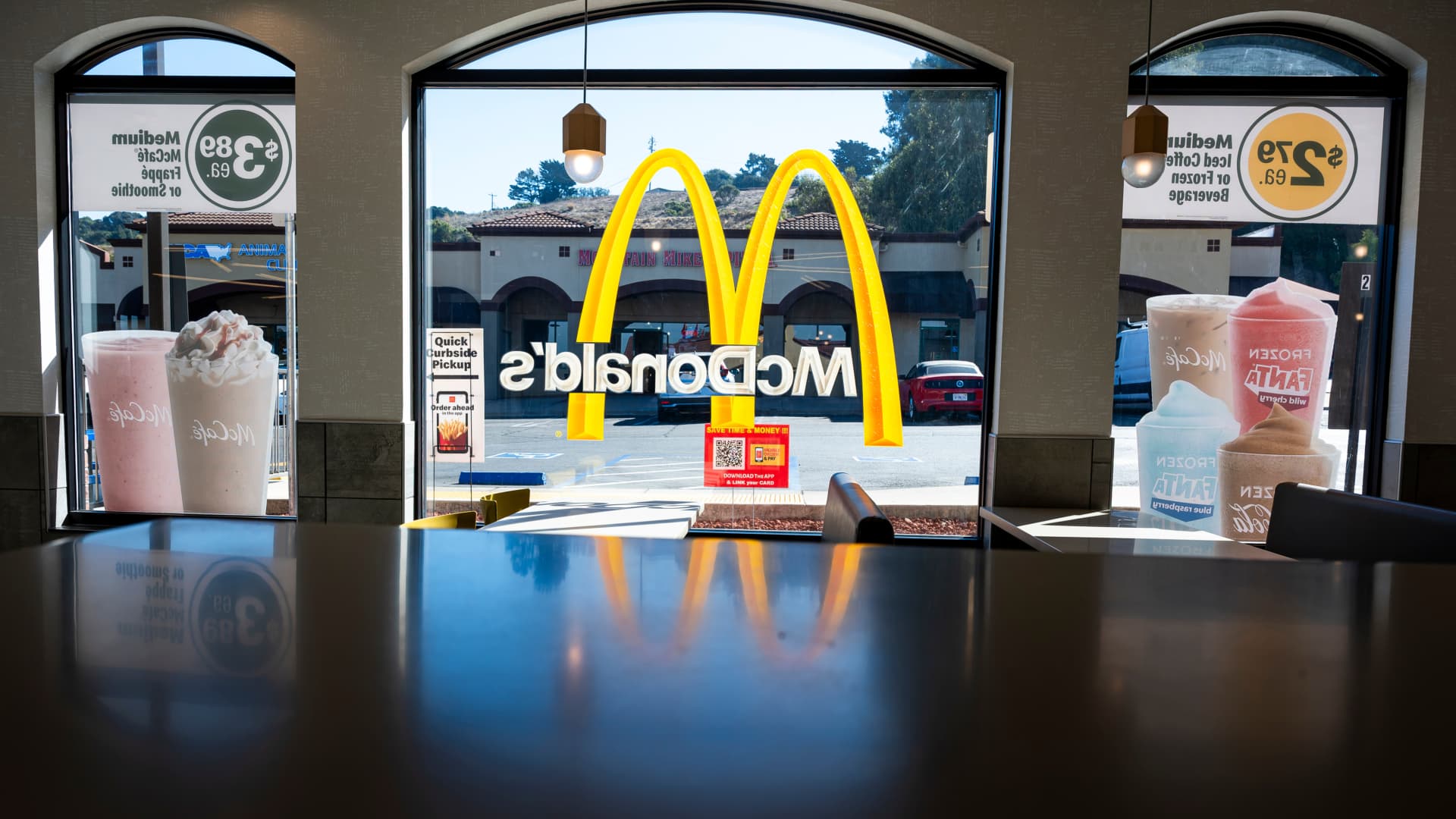
The restaurant industry has always been a dynamic and competitive sector, but recent challenges, from supply chain disruptions to evolving consumer preferences, have brought even more uncertainty. As the industry begins to look ahead to 2025, many leaders in the restaurant space are bracing for significant shifts. From technological advancements to new business models, executives are rethinking how they operate and engage with customers to ensure long-term sustainability and success. In this article, we explore the insights of top restaurant executives as they share their expectations, concerns, and strategies for the future of the industry.
Adapting to Consumer Shifts: The Demand for Convenience and Quality
One of the key themes that continue to emerge as restaurant executives look to 2025 is the growing consumer demand for convenience without sacrificing quality. The pandemic accelerated the trend of online ordering and delivery, and as we move further into the post-pandemic era, these consumer preferences are solidifying. According to a report by the National Restaurant Association, over 60% of consumers now order food for delivery or takeout at least once a week. This shift is prompting restaurant operators to invest heavily in digital infrastructure, optimized delivery operations, and streamlined menus to meet the evolving needs of customers.
“The demand for convenience is here to stay,” says Jessica Sloan, CEO of a popular fast-casual restaurant chain. “Consumers are increasingly expecting the same level of experience at home that they would have in the restaurant, and it’s our job to figure out how to deliver that while maintaining the integrity of our food and brand.”
Technological Innovations Leading the Way
Technology is playing an increasingly central role in the restaurant industry’s evolution. In fact, restaurant executives are betting on a tech-driven future to help them weather current challenges and enhance the overall dining experience. From AI-powered chatbots to streamline customer service to automated cooking systems that improve kitchen efficiency, technology is reshaping the entire foodservice ecosystem.
- AI and Automation: Artificial intelligence (AI) is not only being used for customer-facing applications like personalized recommendations but also in back-end processes such as inventory management, predictive analytics for demand forecasting, and staff scheduling. Automation is also expanding into kitchens, with robotic systems taking over repetitive tasks like flipping burgers or frying food, allowing human employees to focus on more complex roles.
- Digital Ordering Platforms: Mobile apps and digital ordering platforms are becoming essential tools for restaurant operators to drive sales and customer loyalty. These platforms offer the added benefit of collecting valuable data on customer preferences and habits, helping businesses personalize promotions and marketing efforts.
According to a recent report from McKinsey & Company, digital and technological advancements are expected to account for a significant portion of revenue growth in the restaurant industry over the next five years. Businesses that can successfully integrate these technologies will have a distinct competitive advantage.
New Business Models and the Rise of Ghost Kitchens
Another major shift taking place is the rise of new business models, particularly ghost kitchens. These delivery-only kitchens, which operate without a physical storefront, are becoming increasingly popular among restaurants seeking to cut costs while meeting the growing demand for delivery. Ghost kitchens allow restaurant brands to expand into new markets without the overhead of opening a traditional location, making it a more flexible and cost-effective model.
“The pandemic pushed us to rethink the physical footprint of our restaurants,” says James Callahan, founder of a well-known burger chain. “We’ve seen tremendous success with our ghost kitchen concept. It’s a low-risk way to tap into new markets and reach consumers who prefer the convenience of delivery.”
While ghost kitchens present significant opportunities, they also come with their own set of challenges, particularly regarding brand identity. For a business that relies on in-person dining experiences to foster customer loyalty, transitioning to a ghost kitchen model may require a significant shift in branding, marketing, and communication strategies. Ghost kitchens will also need to innovate to offer an authentic customer experience that captures the essence of the restaurant brand, even when the customer is never physically present.
Resilience in the Face of Bankruptcies and Closures
The restaurant industry has faced a wave of bankruptcies and closures over the past few years, exacerbated by rising food costs, labor shortages, and the unpredictable impact of global events. However, many executives remain optimistic about the future, acknowledging that the industry has historically demonstrated resilience in the face of adversity.
For instance, casual dining brands have had to reinvent themselves to cater to new consumer preferences, offering more affordable and accessible dining options. Others have doubled down on their premium offerings, creating more exclusive, high-quality experiences for their customers.
“We’ve seen some casualties in the market, but those of us who are able to adapt and innovate will thrive,” says Maria Ellis, CEO of a leading upscale dining chain. “The key is flexibility—being able to pivot quickly and continuously reinvent your brand to stay relevant.”
One of the most significant issues that restaurant leaders are facing as they look toward 2025 is the ongoing labor shortage. The restaurant industry has long struggled with high turnover rates, but the challenges of attracting and retaining staff have been exacerbated by the COVID-19 pandemic and subsequent economic pressures. Labor shortages are not only impacting the front-of-house staff but also creating bottlenecks in kitchen operations, where skilled workers are in short supply.
To combat these challenges, many restaurant executives are rethinking their staffing models. Some are turning to technology to automate tasks that were traditionally done by humans, while others are investing in staff training and development programs to help retain valuable employees. Additionally, offering benefits like flexible work hours and competitive pay is becoming a priority for restaurant operators aiming to attract a reliable and dedicated workforce.
- Improved Training Programs: Developing a culture of growth and learning within the workforce is essential for employee retention. Some restaurant leaders are focusing on providing career advancement opportunities to foster long-term commitment among staff.
- Higher Wages and Better Benefits: As the competition for workers intensifies, restaurant chains are increasing wages and offering enhanced benefits, including health insurance and retirement plans, to attract and retain top talent.
The challenge of labor shortages is expected to continue into 2025, but with the right investments in training, technology, and employee benefits, many restaurant brands are positioning themselves to navigate this issue successfully.
Looking Ahead: The Role of Sustainability and Environmental Responsibility
As consumers become more environmentally conscious, sustainability is expected to play a larger role in the future of the restaurant industry. Leaders in the space recognize that sustainability is no longer just a trend, but a long-term strategic necessity. From sourcing locally grown produce to reducing food waste and adopting eco-friendly packaging, sustainability is quickly becoming a key differentiator for brands aiming to attract eco-conscious diners.
“Our guests are more aware than ever of the environmental impact of their choices, and they expect us to do our part,” says Rachel Harris, sustainability director at a global restaurant chain. “We’re committed to reducing our carbon footprint and ensuring that every aspect of our business—from supply chain to operations—is as environmentally responsible as possible.”
Implications for the Industry at Large
The restaurant industry is facing a future that demands agility and adaptability. For leaders to succeed in 2025 and beyond, they must embrace innovation, leverage technology, and be proactive in responding to consumer demands for convenience, sustainability, and quality. While challenges like labor shortages and economic volatility remain, those who are willing to rethink their business models and embrace change are most likely to thrive in the coming years.
In conclusion, the restaurant industry is at a pivotal moment in its history. By leveraging technological advancements, new business models, and a customer-first mindset, operators can position themselves to succeed in an increasingly competitive marketplace. As executives continue to anticipate the future, their ability to pivot and evolve will determine the success and resilience of the industry in the years to come.
For more insights on restaurant industry trends, you can explore the National Restaurant Association’s resources.
For a deeper dive into the future of business models in the restaurant industry, check out this article from McKinsey & Company.
Sources: CNBC
