
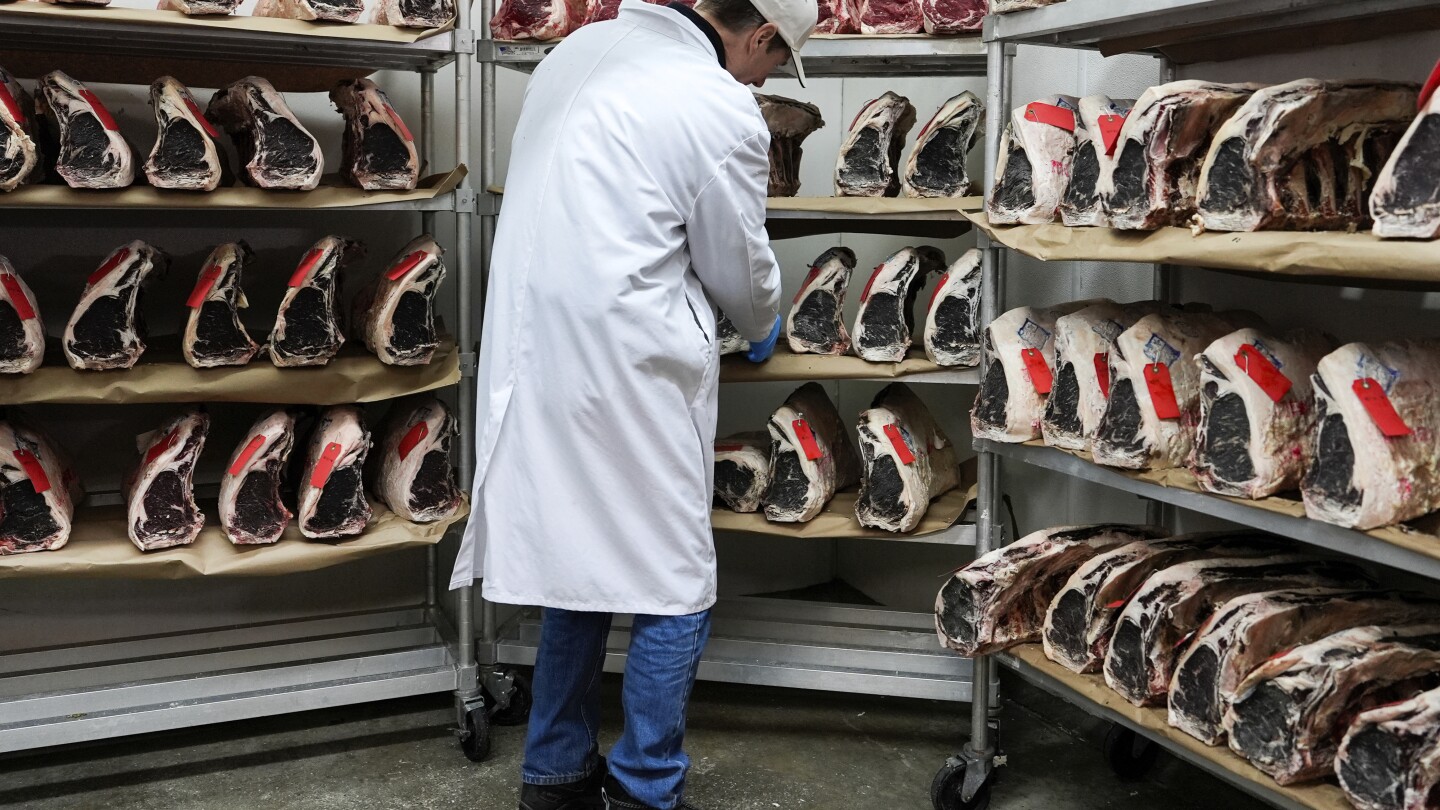
The Meatpacking District, once a gritty industrial hub where slaughterhouses and warehouses dominated the landscape, has undergone a dramatic transformation in recent decades. Today, this neighborhood in Manhattan is synonymous with luxury boutiques, trendy restaurants, and art galleries, drawing tourists and locals alike. But amidst this sleek urban metamorphosis, one enduring meatpacker stands as a reminder of the district’s roots. This article explores the story of the Meatpacking District’s evolution, focusing on the last remaining meatpacker and their journey through times of monumental change. Through resilience, adaptation, and a deep connection to the community’s history, this business continues to thrive against the backdrop of one of the city’s most significant urban transformations.
The Meatpacking District’s Evolution: From Industrial Past to Chic Enclave
Located on the west side of Manhattan, the Meatpacking District has long been one of New York City’s most fascinating neighborhoods. By the late 19th century, the area had transformed into a bustling industrial center, primarily known for its meatpacking industry. With its proximity to the Hudson River and the advent of refrigerated railcars, the district became a national hub for meat processing and distribution. The neighborhood’s streets were lined with factories, warehouses, and slaughterhouses, where thousands of animals were butchered and processed each day.
However, by the 1980s and 1990s, as the meatpacking business declined and the manufacturing industry moved elsewhere, the district began to shift. The closure of many meatpacking plants left behind a neighborhood in decline, marked by vacant warehouses and an emerging reputation for gritty, industrial spaces. Yet, just as many areas in New York experienced revitalization, the Meatpacking District began to undergo its own transformation. By the early 2000s, developers and artists began to recognize the potential of the neighborhood’s unique architecture and proximity to the city’s cultural heart. The advent of the High Line, a raised urban park built on a former railway track, provided a catalyst for change.
The Rise of the New Meatpacking District
As the Meatpacking District embraced its new identity, luxury condominiums, hotels, and high-end retail stores replaced the factories and warehouses. Some of New York’s most exclusive restaurants, including those by celebrity chefs, began to open their doors in the area. Meanwhile, the art scene flourished, with galleries showcasing contemporary works by emerging artists, further solidifying the district’s status as a chic urban enclave. The combination of old industrial charm and cutting-edge design attracted a new demographic of wealthy professionals and tourists, forever altering the district’s landscape.
However, the rapid gentrification of the area raised concerns about the displacement of long-standing businesses, including those that had contributed to the district’s industrial legacy. One such business is the last remaining meatpacking operation in the area—an establishment that stands as a symbol of the district’s historical roots, offering a unique lens through which to examine the transformation of the neighborhood.
The Last Meatpacker: A Symbol of Resilience and Adaptation
At the heart of the Meatpacking District’s transformation is the story of the last remaining meatpacker in the area. This family-owned business has weathered decades of change, navigating both economic pressures and the changing urban landscape. Once surrounded by dozens of competitors, this meatpacking company now stands alone, a vestige of a bygone era in a neighborhood that has been completely reimagined.
The company’s survival can be attributed to its ability to adapt to the shifting demands of the market while staying true to its roots. While many of the district’s former meatpacking businesses closed or moved to more industrial areas in the outer boroughs, this company diversified its offerings. It embraced new technologies, modernized its facilities, and adjusted its operations to meet the needs of both traditional clients and high-end chefs looking for specialty cuts. Despite the rise of fast food chains and convenience foods, there remains a demand for high-quality, locally sourced meats that are prepared with skill and care.
One of the keys to their continued success has been their commitment to sustainability and ethical sourcing. The company works closely with local farms that raise livestock using environmentally responsible practices, which appeals to a growing consumer base that values transparency in food production. They also prioritize animal welfare and ensure that their meat is processed according to the highest standards, an ethos that resonates with today’s conscientious consumers.
Facing Challenges: The Impact of Gentrification
While the company has found ways to thrive, the changing character of the Meatpacking District presents unique challenges. Gentrification has led to skyrocketing rents, and many of the old industrial buildings that once housed meatpacking operations are now being repurposed for retail and residential use. This raises the question of whether the company will be able to continue operating in its current location in the long term. As real estate developers continue to reshape the area, long-time business owners find themselves grappling with rising costs and the looming threat of displacement.
Moreover, the neighborhood’s increasing popularity with tourists and affluent residents has also altered the types of customers visiting the area. While once catering to local restaurants and butcher shops, the last remaining meatpacker now faces competition from new, upscale food businesses that have moved into the district. For example, boutique butchers and artisanal meat shops, some with celebrity backing, have begun to open in the area, catering to a clientele that is more focused on gourmet products than on traditional meatpacking services.
Preserving Tradition in a Changing Landscape
Despite these challenges, the meatpacking business has made a concerted effort to preserve its place in the rapidly changing neighborhood. In addition to maintaining its long-standing relationships with local chefs and restaurant owners, the company has embraced its role as a cultural artifact. It offers tours and educational experiences, helping visitors understand the historical significance of the district and the important role it played in New York’s economic and social history. These initiatives not only attract tourists but also generate awareness about the challenges faced by businesses attempting to balance tradition with modernity.
The meatpacker’s continued presence in the district also serves as a reminder of the city’s industrial past, even as it evolves into a glossy, upscale destination. Their story highlights the delicate balance between preserving heritage and embracing innovation, a theme that is central to many urban transformations in cities around the world.
The Future of the Meatpacking District
The future of the Meatpacking District is uncertain. As gentrification progresses and the area becomes increasingly commercialized, questions remain about whether the last remaining meatpacker will be able to survive. As New York City continues to experience waves of transformation, its neighborhoods are often caught in the tension between historical preservation and modern development. The Meatpacking District’s ongoing evolution may offer valuable lessons in how cities can preserve their cultural heritage while adapting to new economic realities.
Ultimately, the story of the Meatpacking District and its last meatpacker is one of resilience. It is a story about an industry and a community that have weathered change while remaining rooted in tradition. Whether the neighborhood will continue to evolve into a global center of culture and commerce or return to its industrial roots remains to be seen, but one thing is certain—the Meatpacking District will never lose its unique identity as a place of reinvention and endurance.
Conclusion: Resilience Amidst Change
The journey of the last remaining meatpacker in New York’s iconic Meatpacking District reflects the larger story of urban evolution. As the district transitions from its industrial past to a glamorous, high-end destination, this business has managed to adapt without abandoning its core values. The neighborhood’s transformation raises important questions about the balance between development and preservation, especially as gentrification reshapes the urban landscape. The story of the last meatpacker reminds us that even in times of great change, there are still those who remain steadfast in preserving the traditions and values that define a community.
For more information on the history of the Meatpacking District and its transformation, visit NYCGo – Meatpacking District.
To learn more about the impacts of gentrification on New York City neighborhoods, explore this insightful article from The New York Times.
See more Business Focus Insider
