
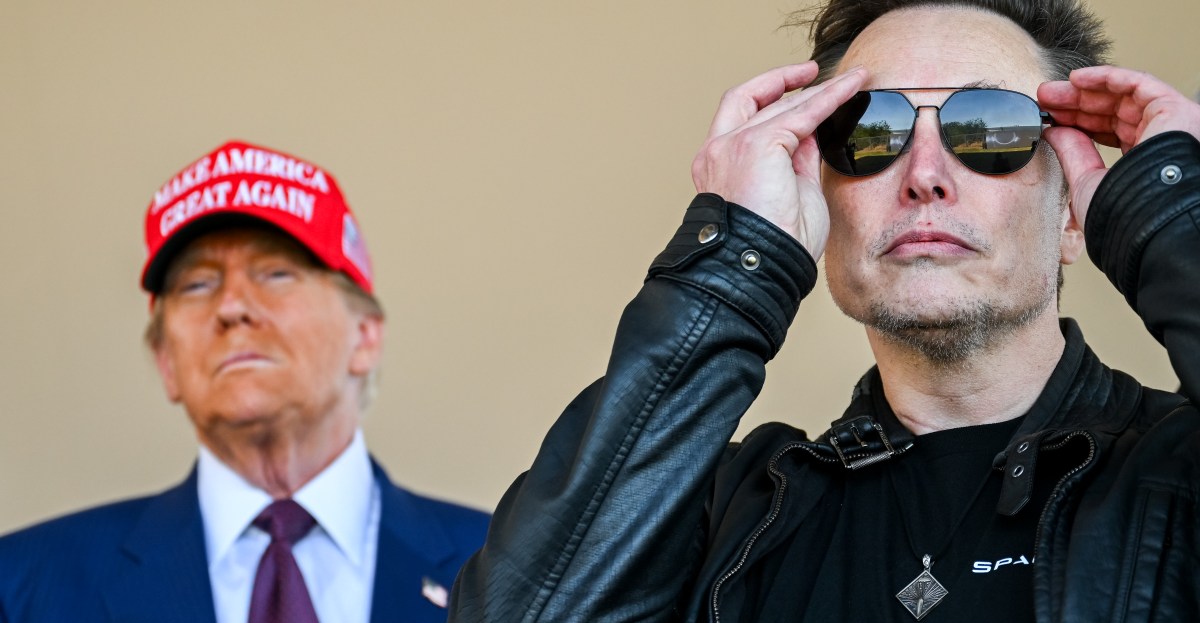
Elon Musk, the billionaire entrepreneur behind companies like Tesla, SpaceX, Neuralink, and The Boring Company, has become a central figure in the global business landscape. As the CEO of multiple high-profile ventures, Musk faces not only the complexities of innovation and market competition but also the daunting task of balancing budgets across diverse industries. From electric vehicles and rocket science to brain-machine interfaces and tunnel construction, the financial management of such varied and ambitious projects presents unique challenges. This article delves into the financial intricacies of Musk’s ventures, explores the budgetary hurdles he must overcome, and assesses whether he can find a sustainable solution to his companies’ financial balancing act.
The Scale of Elon Musk’s Business Empire
Elon Musk’s business empire spans several cutting-edge industries, each with its own financial requirements. The sheer scale of his operations is staggering, with companies that require massive capital investments, extensive R&D efforts, and highly specialized talent. Musk’s companies are not just large-scale businesses—they are shaping the future of technology, transportation, and space exploration. Each of these sectors involves high-risk investments, long-term payoffs, and intense competition, all of which contribute to the financial complexities Musk faces.
Tesla: The Financial Powerhouse
Tesla, Musk’s flagship company, is perhaps the most visible of his ventures. As a leader in the electric vehicle (EV) market, Tesla has revolutionized the automotive industry and has become a major player in the global transition to clean energy. However, maintaining this lead requires substantial financial resources.
- Capital Intensity: Tesla’s manufacturing plants, like the Gigafactories, are monumental in scale and cost billions of dollars to build. The company has also invested heavily in battery technology and autonomous driving systems.
- Revenue Streams: Tesla’s primary revenue comes from vehicle sales, but it also generates income from solar products, energy storage systems, and carbon credits. These diverse streams help mitigate the volatility of the automotive market.
- Profitability Struggles: Despite its innovative edge, Tesla has struggled to achieve consistent profitability. Its heavy investment in R&D and production has often resulted in narrow margins and cash flow concerns, requiring constant management of capital and operating expenses.
SpaceX: Pushing Boundaries with Rocket Science
SpaceX, Musk’s ambitious space exploration company, is another entity that significantly impacts his financial portfolio. The company’s goals are nothing short of revolutionary—colonizing Mars, launching Starlink satellites, and providing private space travel. But these objectives come with astronomical costs.
- High-Risk, High-Reward: SpaceX’s rockets, such as the Falcon 9 and Starship, are costly to develop and launch. Each mission can cost hundreds of millions of dollars, with no guarantee of success. However, the company’s achievements, like reusable rocket technology, have made it a leader in the industry.
- Funding Mechanisms: SpaceX has raised capital through private funding rounds, with investors willing to bet on the company’s future. Additionally, contracts with NASA and private satellite launches provide a significant source of revenue.
- Government Contracts: A substantial portion of SpaceX’s funding comes from lucrative government contracts, primarily with NASA and the Department of Defense. These contracts help offset the enormous costs of space missions, but the reliance on governmental funding raises questions about long-term financial independence.
The Budget Balancing Dilemma
While both Tesla and SpaceX have become leaders in their respective fields, Musk’s financial balancing act extends far beyond these two companies. The question that looms large is: can Musk effectively manage the budgets of his multiple ventures without spreading his resources too thin?
Capital Allocation: A Complex Puzzle
One of the primary challenges Musk faces is capital allocation—the process of distributing financial resources across his various ventures. With multiple companies requiring funding for R&D, production, infrastructure, and talent acquisition, Musk must constantly prioritize which projects to fund and when.
- Prioritization of Long-Term Goals: Musk has made it clear that his long-term vision for humanity—such as colonizing Mars and transitioning the world to sustainable energy—often takes precedence over short-term financial returns. This means that many of his ventures, especially SpaceX and Tesla’s energy division, operate at a loss or with minimal profit margins for years, relying on future growth and breakthroughs to pay off.
- Risk Management: Given the volatile nature of the industries Musk is involved in, risk management is crucial. Each of his companies operates in a highly competitive and uncertain market, where technological failures or regulatory hurdles can result in significant financial setbacks. This requires Musk to be both a visionary and a prudent manager of resources.
R&D and Innovation: A Double-Edged Sword
Innovation is at the heart of Musk’s business strategy, but it also represents a major financial burden. The high cost of research and development (R&D) often leads to significant cash burn before any tangible returns are realized. For instance, SpaceX’s Starship project, designed to revolutionize space travel, has been under development for years, with billions of dollars poured into the project. Similarly, Tesla’s push for fully autonomous vehicles and cutting-edge battery technology is both costly and time-consuming.
While these innovations could ultimately lead to enormous profits, they represent a gamble. The longer it takes for a product or service to reach market readiness, the more cash is required to sustain operations. For Musk, balancing the need for constant innovation with the financial realities of operating multiple businesses is an ongoing challenge.
The Role of External Financing
To support his ventures, Musk frequently turns to external financing. From public stock offerings to private equity and government contracts, external funding is critical for keeping his companies afloat. However, this also introduces a layer of complexity in managing stakeholder expectations.
- Investor Pressure: As Tesla went public, Musk had to balance the interests of shareholders, who demand profitability and growth, with his vision for long-term projects. SpaceX, being privately held, has more flexibility in terms of financial strategy but still relies heavily on investor backing.
- Government Support: SpaceX, in particular, benefits from government contracts, which are a significant source of revenue. However, this reliance on governmental support can be precarious, particularly in the face of changing political priorities and budget allocations.
The Future of Budget Balancing: Is a Solution in Sight?
As Musk continues to expand his businesses, the question remains: can he ever find a sustainable financial solution that balances the needs of all his ventures? The answer may not be clear-cut. Musk’s strategy has always been to invest heavily in the future, even at the cost of short-term financial stability. Whether or not this approach will yield sustainable results in the long term depends on several factors:
- Market Conditions: Economic downturns or disruptions in the markets Musk operates in could strain his companies’ finances. While Tesla has enjoyed strong stock market performance, external economic pressures, such as inflation or supply chain disruptions, can impact profitability.
- Technological Breakthroughs: If Tesla’s autonomous driving technology or SpaceX’s reusable rockets continue to make significant breakthroughs, the companies could see substantial financial returns in the coming years.
- Strategic Partnerships: Forming strategic partnerships, such as the collaboration between Tesla and other automakers on EV technologies, could provide the financial backing Musk needs to continue his ventures without overburdening his existing resources.
Conclusion: A Vision Beyond Finance
Elon Musk’s budget balancing enigma is a complex and multifaceted challenge that requires constant attention and adaptation. With multiple companies in high-risk, high-reward industries, Musk must navigate a delicate balance between long-term innovation and short-term financial stability. While there may not be a one-size-fits-all solution, Musk’s vision for the future of humanity, coupled with his relentless drive and entrepreneurial spirit, suggests that he will continue to push the boundaries of what is financially and technologically possible. Ultimately, Musk’s ability to solve the budget balancing puzzle may depend as much on his innovative thinking as it does on his ability to manage resources and navigate the unpredictable nature of the industries in which he operates.
For more insights on the financial strategies of tech leaders like Elon Musk, visit Forbes. To learn more about Musk’s space ventures, check out SpaceX’s official page at SpaceX.
See more Business Focus Insider
