
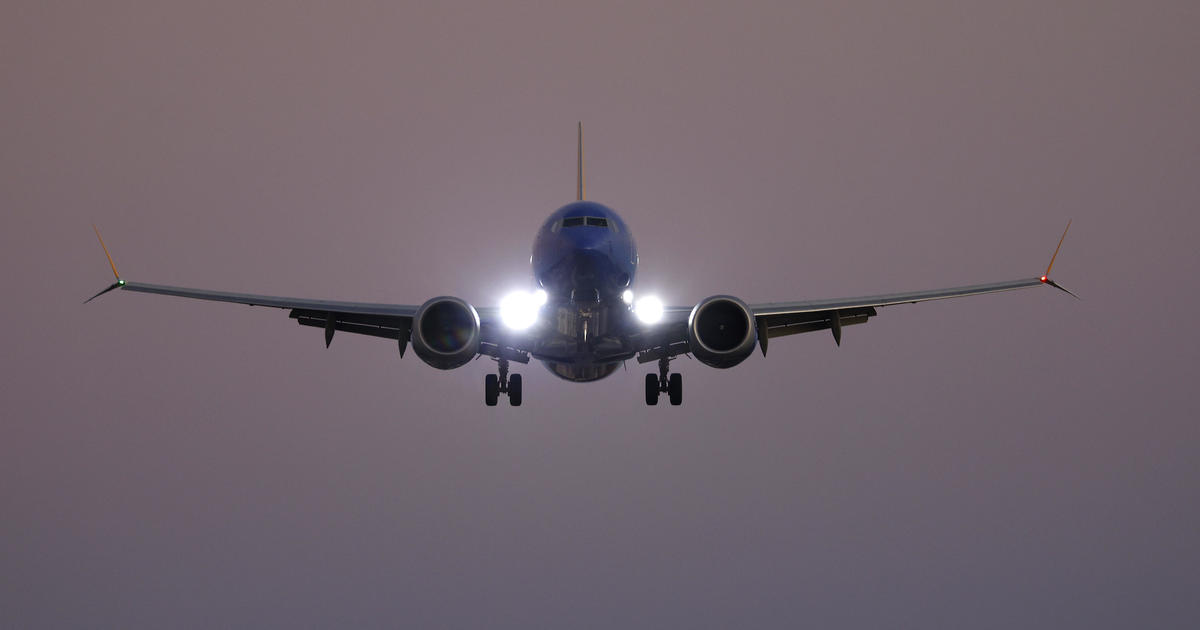
Boeing’s Legal Turmoil: Judge Rejects Justice Department’s Plea Deal Amid 737 Max Crashes
The legal fallout from the tragic crashes of two Boeing 737 Max aircraft continues to unravel, as a judge has recently rejected a plea agreement between the U.S. Department of Justice (DOJ) and the aerospace giant. The ruling raises important questions about corporate responsibility, the broader implications for aviation safety, and the extent to which Boeing and its executives should be held accountable for the devastating loss of life and public trust.
Background: The 737 Max Crisis and the Plea Deal
In March 2019, two Boeing 737 Max airplanes, operated by Lion Air and Ethiopian Airlines, crashed within five months of each other, killing a total of 346 people. The incidents were attributed to a malfunction in the plane’s Maneuvering Characteristics Augmentation System (MCAS), a software feature designed to prevent stalling. The crashes led to the worldwide grounding of the 737 Max fleet, a massive loss in Boeing’s stock value, and an intense investigation into the company’s practices.
In 2021, Boeing entered into a settlement agreement with the DOJ, acknowledging that the company had misled the Federal Aviation Administration (FAA) and other stakeholders about the safety of the 737 Max. As part of the deal, Boeing agreed to pay $2.5 billion, which included compensation for the families of victims, as well as funds for aviation safety initiatives and to resolve criminal charges related to the crashes. The plea deal was seen as a means for Boeing to avoid a protracted trial, and to mitigate further damage to its reputation.
However, the latest ruling from U.S. District Judge Reed O’Connor has upended this resolution, rejecting the plea deal based on concerns over its fairness and adequacy in holding Boeing fully accountable for the role it played in the disaster. The decision has not only delayed a final resolution to the case but has sparked further public debate about corporate accountability and the legal mechanisms available to ensure aviation safety.
What Led to the Judge’s Rejection of the Plea Deal?
Judge O’Connor’s ruling came after a thorough review of the plea agreement, particularly focusing on the proposed penalty and its alignment with the severity of the offenses committed. Several key factors contributed to the judge’s decision:
- Insufficient Accountability: The judge expressed concerns that the plea agreement did not hold individual executives accountable for their actions. Although Boeing had acknowledged that it had misled regulators, the settlement did not impose criminal charges on senior executives who had been involved in the decision-making process regarding the MCAS system.
- Financial Penalties vs. Corporate Behavior: While the $2.5 billion settlement was a substantial sum, critics argued that the financial penalty did not reflect the full scale of Boeing’s negligence or the impact on the victims’ families. The ruling questioned whether such a deal would sufficiently deter future corporate misconduct.
- Lack of Transparency in the Investigation: There were also concerns about the transparency of the DOJ’s investigation and the adequacy of the information presented to the public. Critics contend that Boeing’s internal documents and communications, which could have shed light on corporate malfeasance, were not adequately scrutinized.
The Broader Implications for Corporate Accountability
This ruling raises critical issues about corporate accountability in the face of catastrophic failures. While Boeing is one of the largest aerospace companies in the world, its handling of the 737 Max disaster demonstrates the risks associated with a corporate culture focused on speed and cost-cutting over safety. The inability to prevent such a disaster, despite numerous warnings from engineers and whistleblowers, underscores the broader systemic issues within the aviation industry.
The rejection of the plea deal has reignited discussions on whether companies like Boeing should face harsher penalties for their role in deadly accidents. Critics argue that financial penalties alone are insufficient, especially when companies like Boeing can absorb such costs without significant disruption to their operations. A more robust legal framework, they suggest, should impose greater penalties on corporations and individual executives found to be responsible for safety failures.
The Role of Whistleblowers and Internal Accountability
One of the most concerning aspects of the 737 Max tragedy was the apparent lack of internal accountability. Engineers within Boeing had expressed concerns about the MCAS system prior to the crashes, but those concerns were reportedly dismissed by higher-ups. Whistleblowers from within the company have since indicated that there were significant lapses in the design and testing phases, and that the company’s culture prioritized meeting deadlines over ensuring safety.
This situation highlights the importance of strengthening whistleblower protections and fostering an internal culture of safety, where employees feel empowered to raise concerns without fear of retaliation. If companies like Boeing are to restore public trust, they must demonstrate that they take internal accountability seriously, and that they are willing to expose and address systemic issues that may contribute to safety failures.
The Impact on Boeing and the Aviation Industry
For Boeing, the legal turmoil is far from over. The rejection of the plea deal means that the company will now have to contend with additional legal proceedings and the possibility of more severe penalties. While Boeing has made significant efforts to update the 737 Max and regain the confidence of regulators and the public, the ongoing legal challenges have tarnished the company’s reputation in ways that will likely have long-term effects.
In addition to the reputational damage, the legal battles are expected to continue to drain resources from Boeing. However, the case also sends a signal to other corporations in the aviation industry that safety cannot be compromised, and that regulators and the public will hold companies accountable when their negligence leads to harm.
Looking Forward: What Are the Next Steps?
With the plea deal rejected, Boeing now faces several possible legal scenarios. The company may opt to negotiate a new settlement, although it remains to be seen whether such a deal will be accepted by the court. Alternatively, Boeing could face a criminal trial, which could lead to additional penalties and further scrutiny of its internal practices. If the case proceeds to trial, it could expose more damaging details about Boeing’s internal operations and its response to safety concerns.
The broader implications of this case extend beyond Boeing itself. The ruling may prompt other corporations in the aviation and manufacturing sectors to reassess their safety protocols, internal communications, and overall approach to risk management. It could also lead to changes in federal regulations surrounding corporate accountability, particularly in industries where public safety is at stake.
Conclusion: The Need for Stronger Corporate Governance
The rejection of the plea deal represents a critical moment in the ongoing battle for corporate accountability in the wake of the Boeing 737 Max tragedy. It sends a clear message that financial penalties and settlements will not suffice when it comes to addressing the full scale of corporate negligence. In the future, the focus must be on creating stronger legal frameworks that impose meaningful penalties on both corporations and individuals who contribute to preventable disasters.
As the legal process continues, the aviation industry, regulators, and lawmakers must work together to ensure that lessons are learned from the Boeing case. At the heart of these efforts must be a commitment to safety, transparency, and accountability – principles that should guide not only the aviation industry but all sectors where public safety is at risk.
For further information on the latest updates regarding the Boeing case and aviation safety, you can visit Reuters.
For a closer look at corporate accountability and legal reforms, refer to this New York Times article.
See more Business Focus Insider Team
